
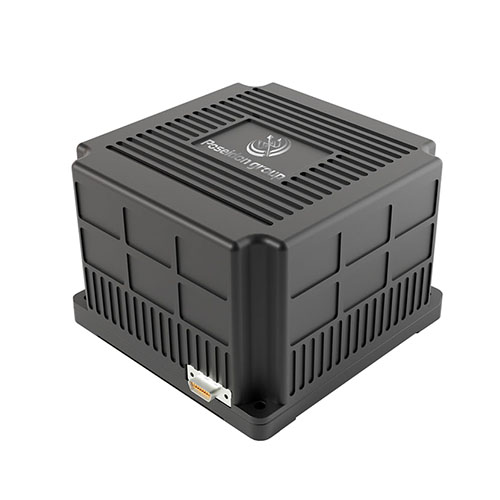
 TBSD60
 BSD120
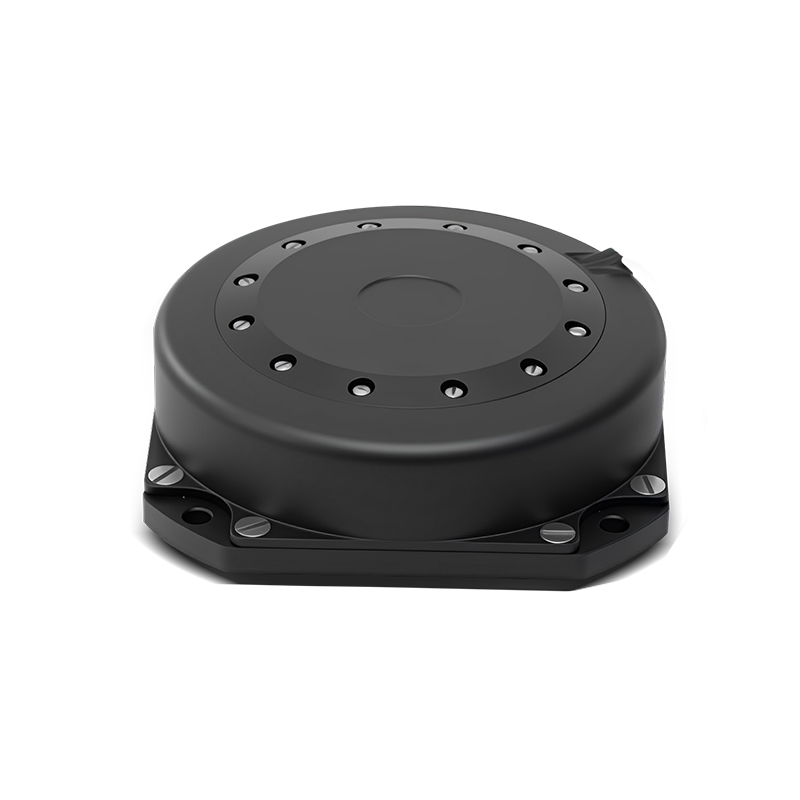 BSD98
BSD98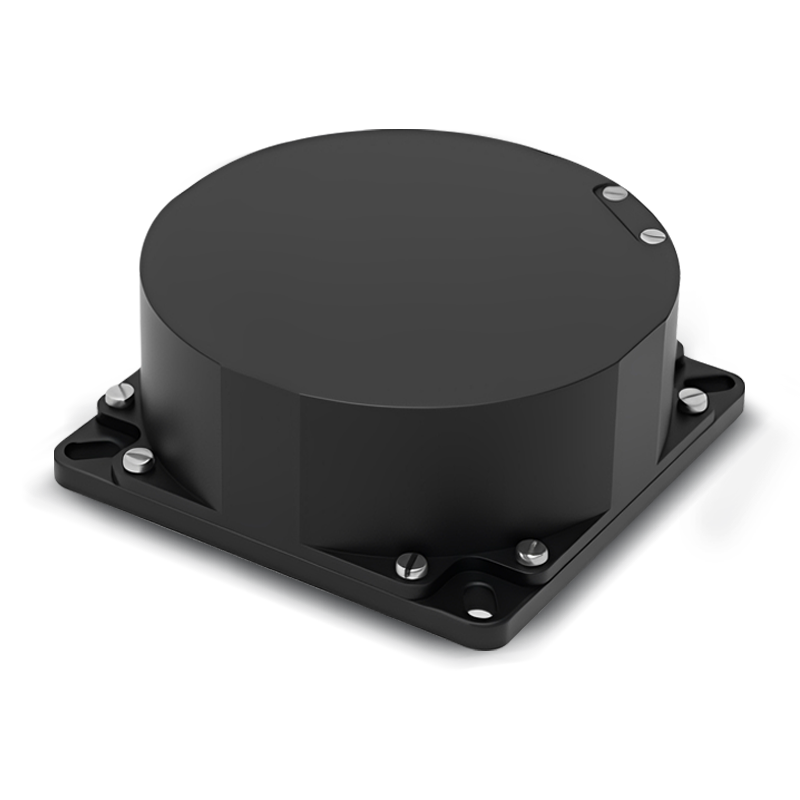 BSD70
BSD70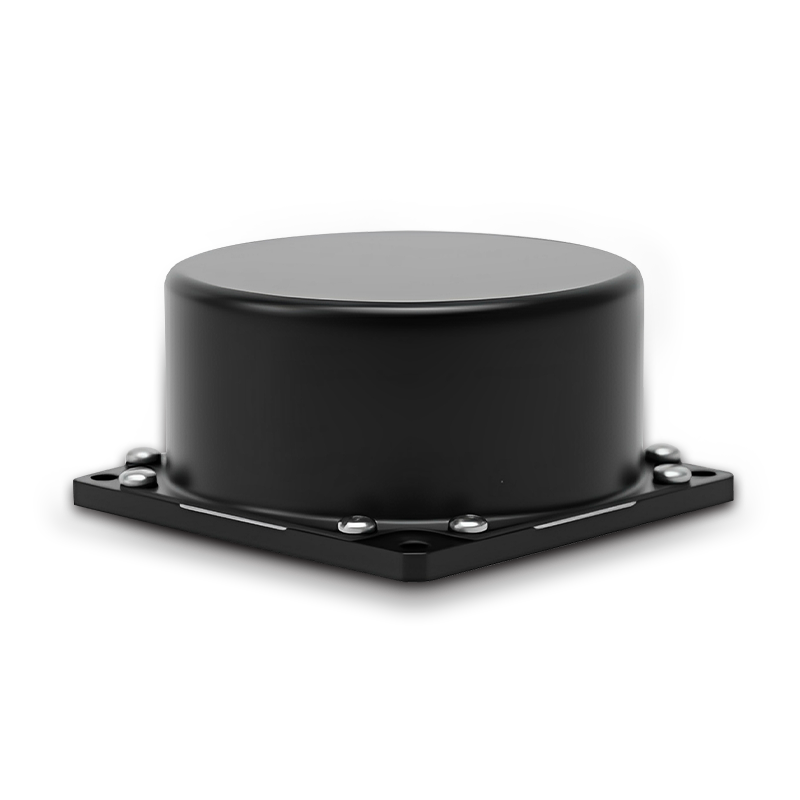 BSD60
BSD60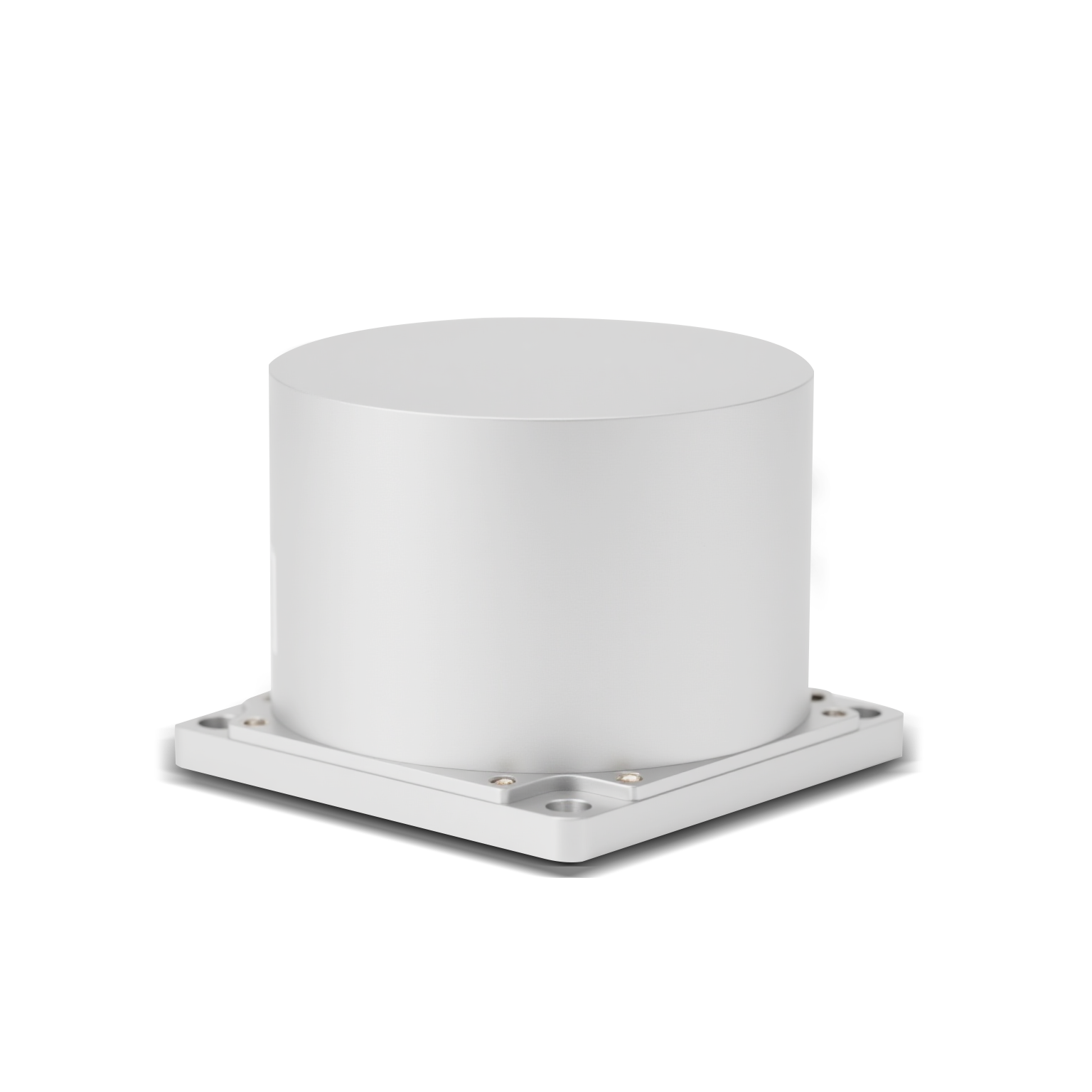 BSD50
BSD50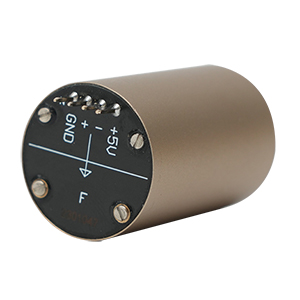 BSD217
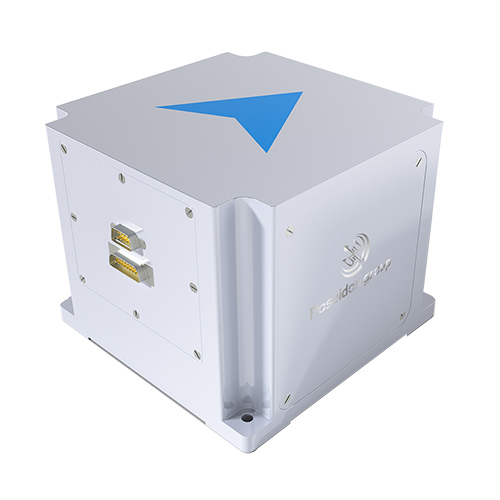 INS1700
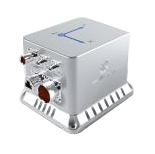 INS970
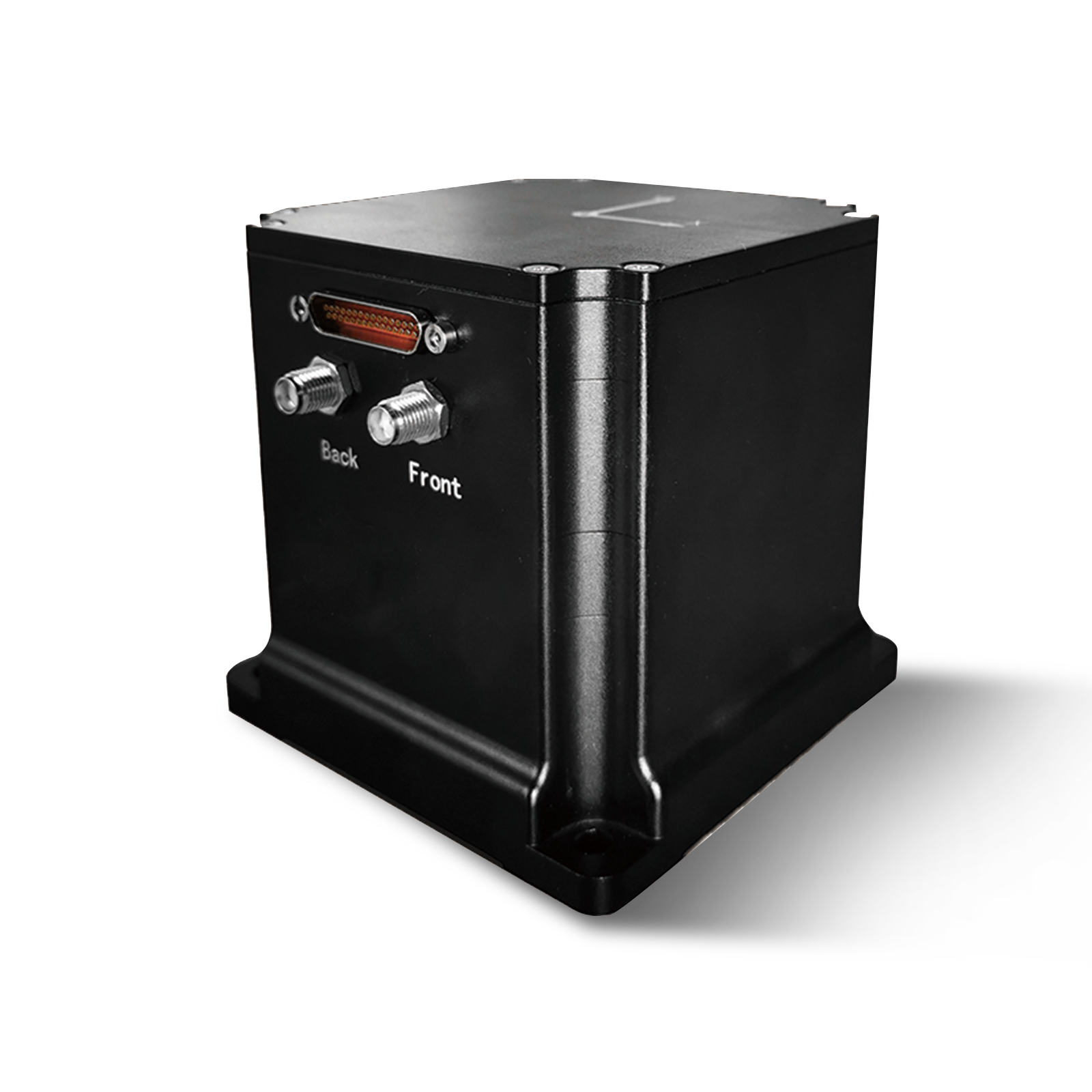 INS570
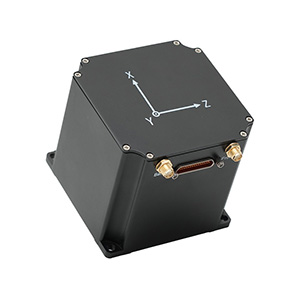 INS170
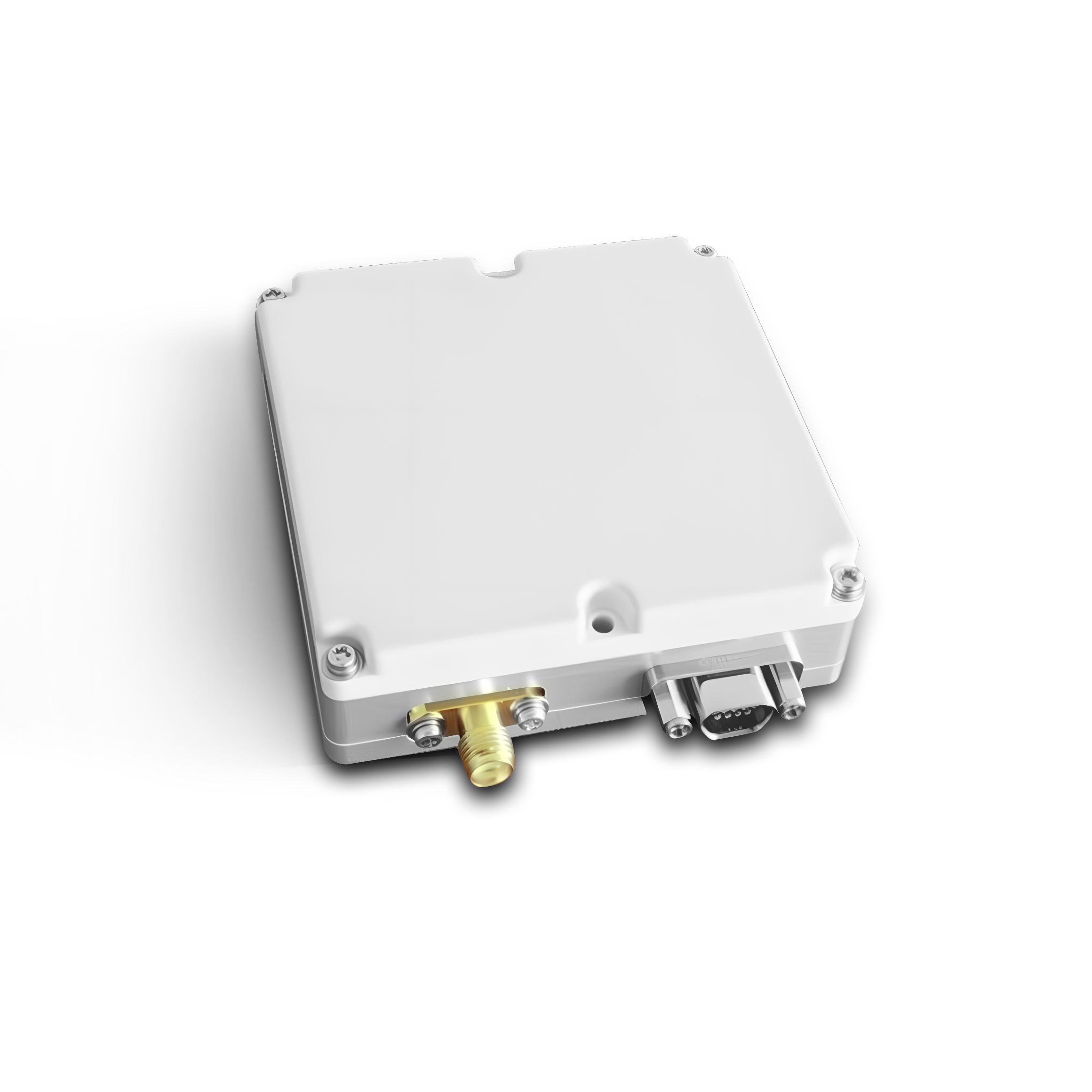 SLA-4B1L1-65
 SLA-8B1L1-110
 SLA-4B1L1-130
 SLA-16B1L1-160
 SLA-8B1L1-165
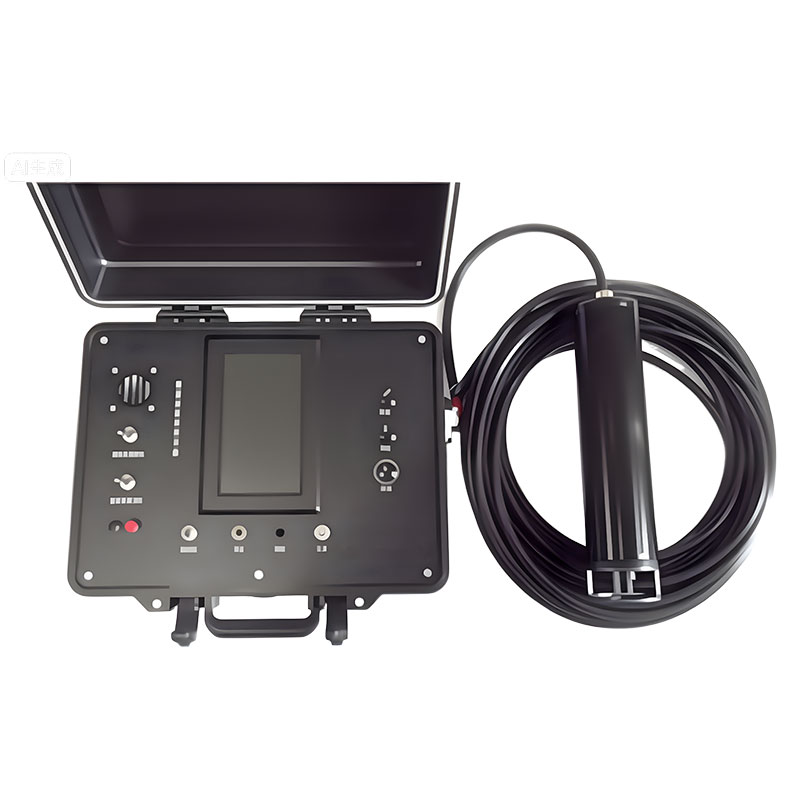 101 Vessel-mounted Positioning
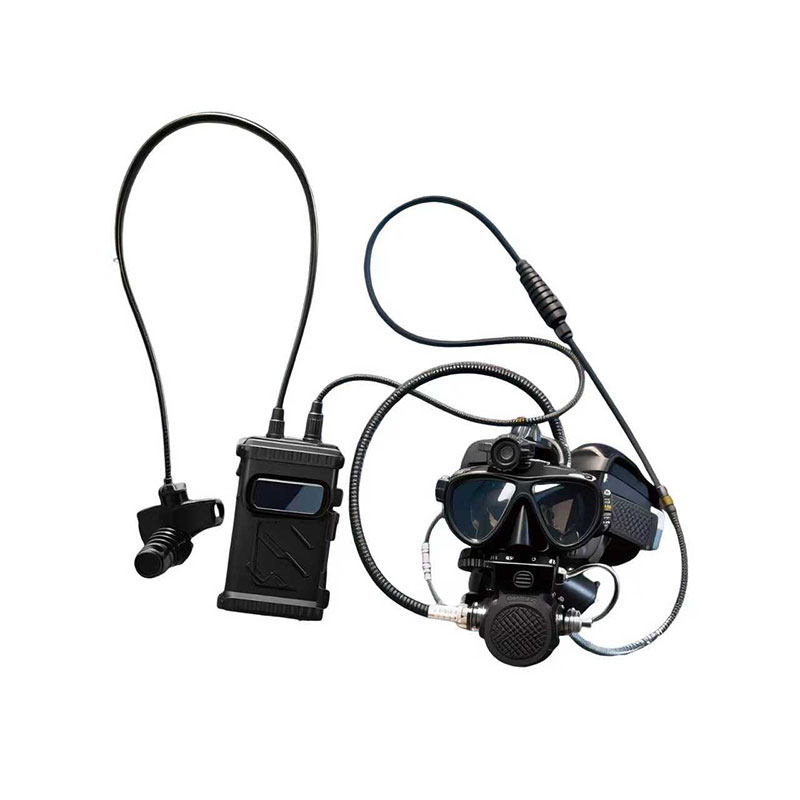 102 Acoustic Communication
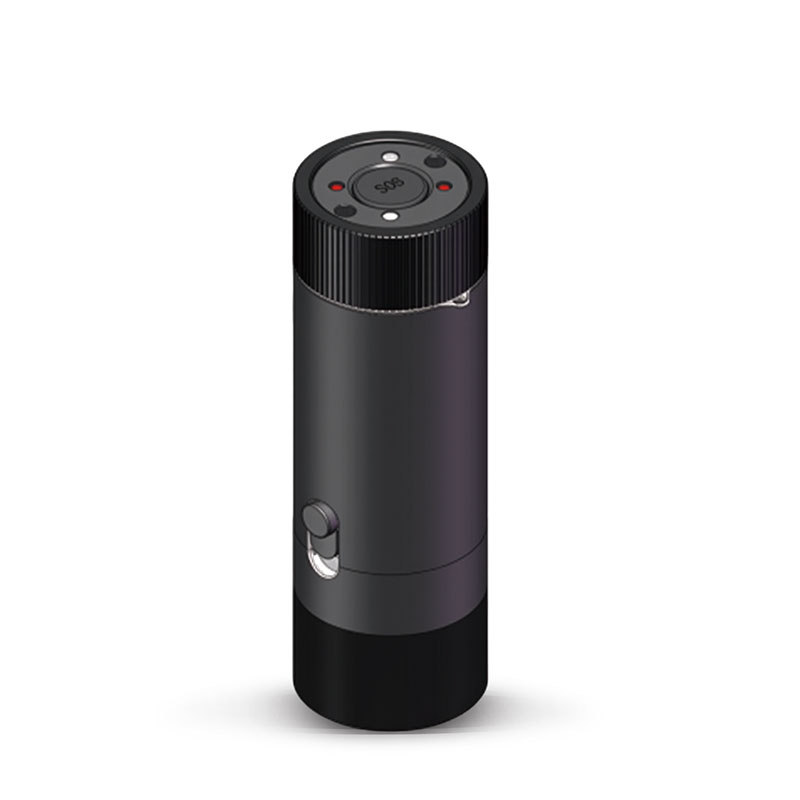 103 Tracking and Locating
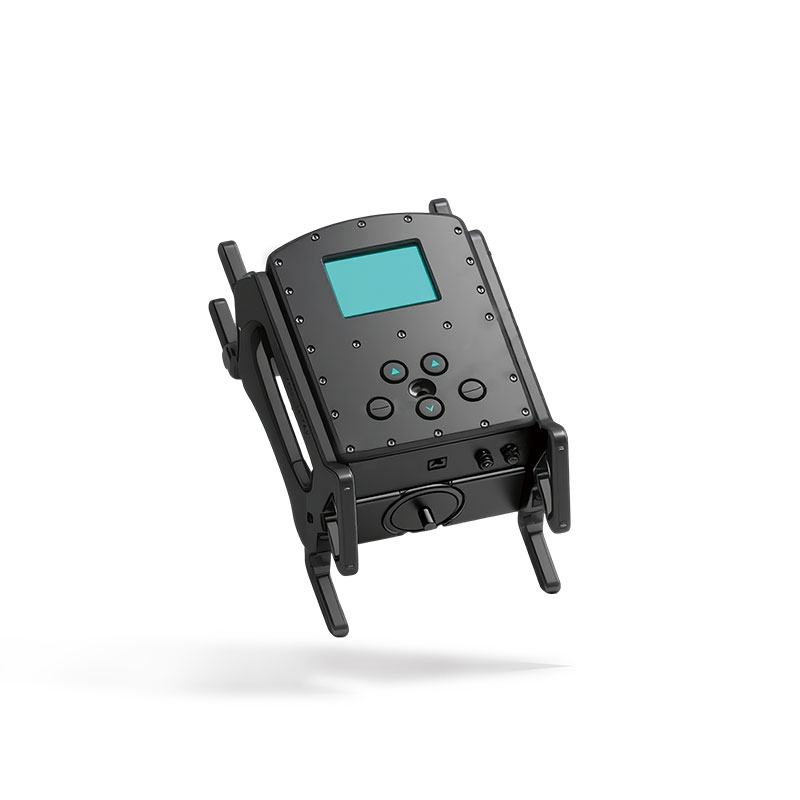 104 Diver Navigation System
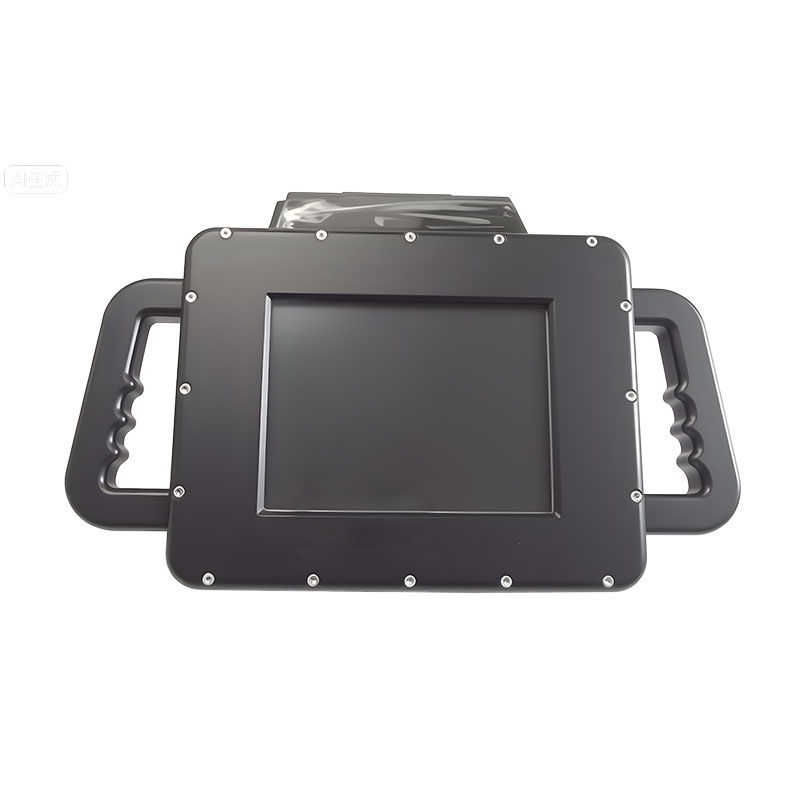 105 Intrusion Detection Sonar
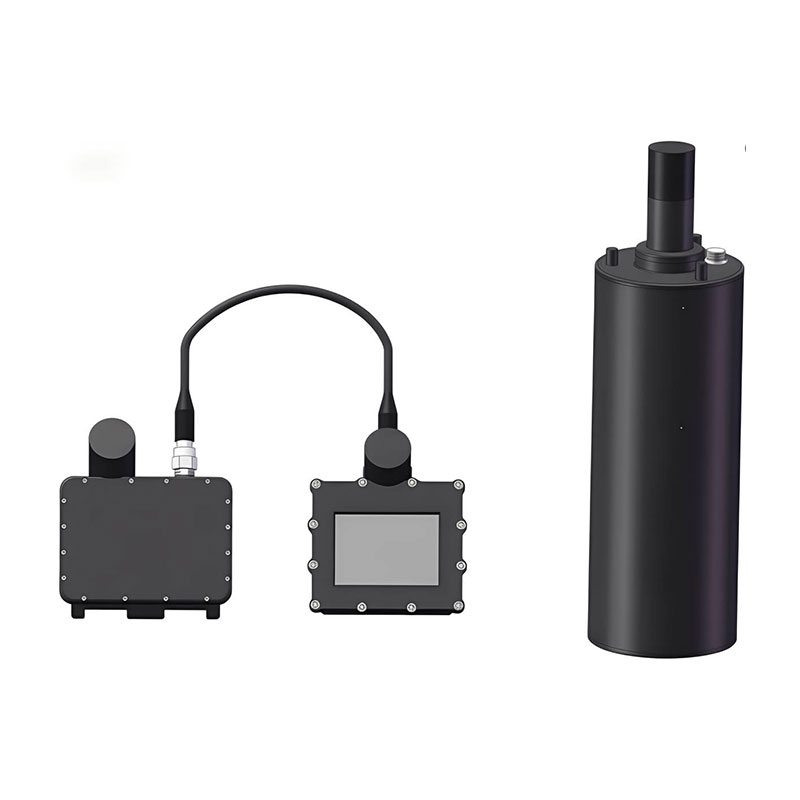 106 Delivery Locator Beacon
 SLLR3000
 SLLR905
 SLLD25
 108IMU
 150M
150M 500MH
500MH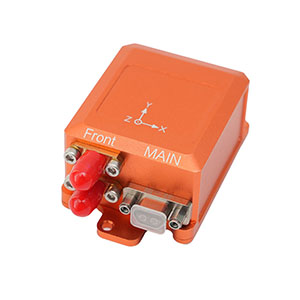 160M
160M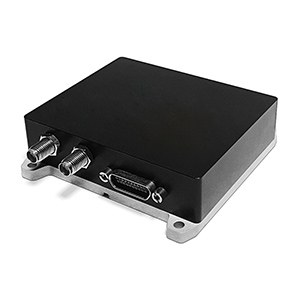 170M
170M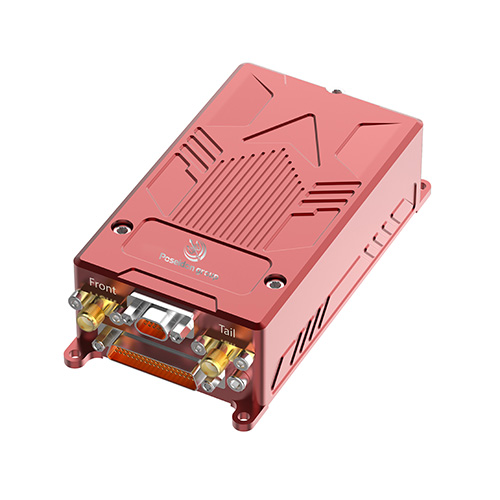 SLFC-70
 SLAF280
 MR360
MR360





Inertial Navigation System: Key Factors Every Buyer Should Evaluate
Are you struggling to choose an Inertial Navigation System that meets your project’s accuracy, reliability, and cost requirements? As a buyer, the real challenge is not understanding how the system works—it’s deciding which product will deliver consistent results under the unique conditions of your application.
This article outlines the key commercial and technical factors you should evaluate before buying, focusing on performance, adaptability, durability, and total value.
Why Accuracy in an Inertial Navigation System Matters
For buyers, accuracy is often the top priority. An INS provides data such as position, velocity, heading, and orientation. If this data is not precise, it can lead to serious operational errors.
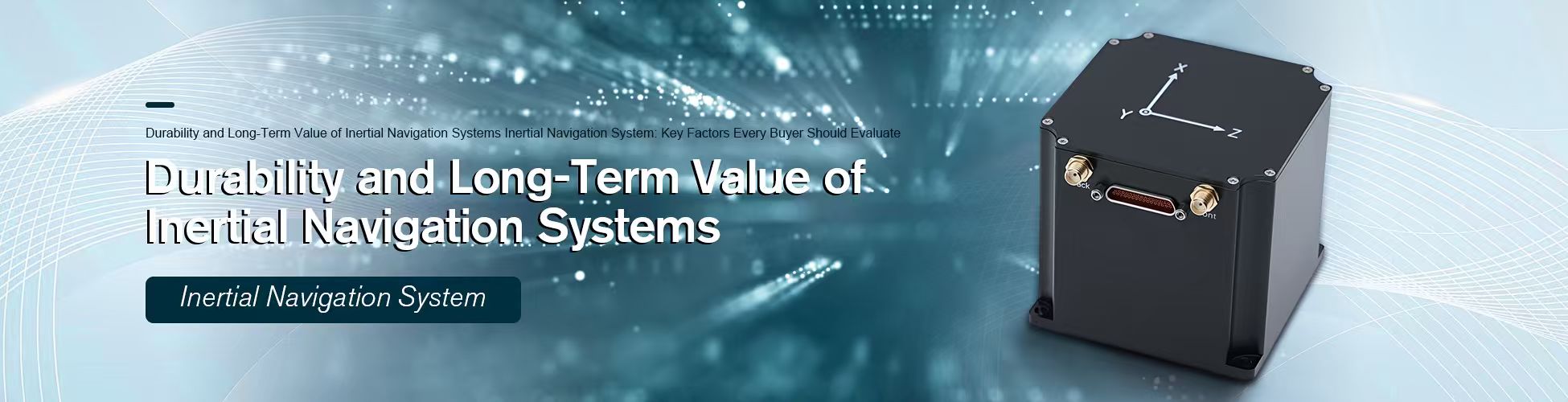
The Poseidon INS170 combines fibre optic gyroscopes (FOG), MEMS accelerometers, and multi-system satellite navigation (GPS, BDS, GLONASS, Galileo) to deliver centimetre-level positioning accuracy. This ensures reliable navigation for applications ranging from UAVs to high-speed rail.
Durability and Long-Term Value in an Inertial Navigation System
Durability is another key buying factor. A robust INS should reduce downtime and replacement costs. The Poseidon INS170 undergoes full-temperature calibration, ensuring stable performance in extreme hot and cold environments. Its ruggedised design guarantees long service life even in harsh industrial or defence applications.
This translates into fewer replacements, less maintenance, and lower total cost of ownership over the system’s lifecycle.
Modern projects often have limited space and power supply. A bulky or energy-hungry INS will create integration challenges. The Poseidon INS170 is designed with a compact structure and low power consumption, making it ideal for UAVs, marine vessels, and aerospace platforms where every gram and watt count.
Before purchasing, consider how the system fits your design requirements: Will it integrate seamlessly with your platform? Does it support external sensors like odometers, DVL, or USBL to expand capability?
Adaptability: The Hidden Value of an Inertial Navigation System
True value lies in how well the INS adapts to complex conditions. For example, tunnels, bridges, and urban environments often block satellite signals. The Poseidon INS170’s multi-mode navigation ensures uninterrupted performance in such cases. Whether used in missile guidance, railway inspection, or electro-optical pods, adaptability guarantees reliability even when external conditions change.
This means confidence that the system will perform not only in ideal environments, but also in the most challenging scenarios.
An Inertial Navigation System is more than just a navigation tool. It enables business success across diverse industries:
- Defense and Aerospace: Missile guidance, radar stabilization, and UAV operations.
- Railway Track Inspection: Precision in high-speed rail monitoring.
- Marine and SATCOM: Stability for vessels and satellite communication in dynamic conditions.
- Industrial Surveying: Accurate positioning for engineering and construction projects.
These applications show why the right INS is a long-term asset, not just an upfront cost.
Why Poseidon Group is the Right Partner
When selecting an Inertial Navigation System, you need more than just a product—you need a trusted partner. Poseidon Group delivers high-precision systems like the INS170, backed by strong R&D, strict quality control, and global support. Our solutions are proven in defence, aerospace, transportation, and industrial markets.
Choosing Poseidon means gaining a supplier who understands your industry challenges and provides reliable after-sales service. With Poseidon, you are not only buying an INS—you are investing in long-term performance, efficiency, and peace of mind.