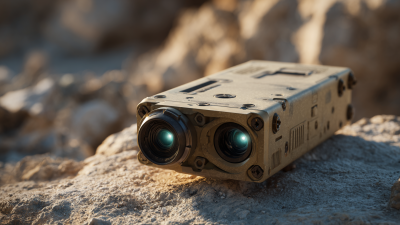
In today's fast-changing tech world, IMU Inertial Measurement Systems are pretty much essential tools. They’re used in all sorts of industries, from flying planes to making cars smarter. Companies like Honeywell and Bosch are leading the charge with their advanced IMU tech, and honestly, their expertise really shapes the market. They offer reliable options for folks all over the globe.
Getting a good grip on what IMUs do is pretty important. These systems pick up super precise motion data, which is crucial for many applications. But let’s be real—picking the right one can feel kinda overwhelming. Every company has its own set of features and perks, so it’s all about weighing performance against how much it costs. Taking the time to evaluate your options is well worth it—to avoid any costly mistakes.
Innovation is still pushing the IMU field forward, no doubt. That said, some products still might not perfectly fit certain needs. So, it's smart to stay alert and look for stuff that matches what you actually need. Chatting with trusted suppliers can give you some good insights, helping you make smarter decisions. In the end, being well-informed really boosts your chances of success with these systems.

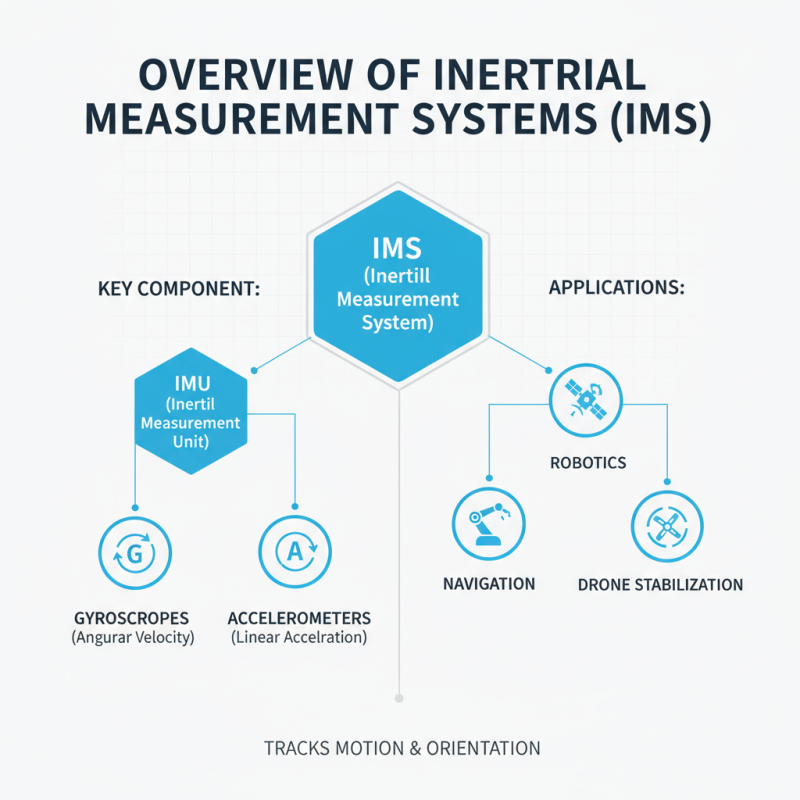
Overview of Inertial Measurement Systems (IMS)
Inertial Measurement Systems (IMS) play a crucial role in various applications, from navigation to robotics. These systems rely on sensors to track motion and orientation. An Imu Inertial Measurement Unit is a key component, containing accelerometers and gyroscopes. These sensors measure linear acceleration and angular velocity.
The precision of IMS depends on several factors. The quality of components affects measurement accuracy. Environmental conditions can also impact performance. When deployed in extreme climates, systems may yield inconsistent data. Engineers must consider these variables when designing applications. Feedback loops help adjust the system to maintain reliability. Nonetheless, challenges remain in sensor calibration and drift over time.
Understanding the limitations of an Imu Inertial Measurement Unit is vital. Data may fluctuate due to mechanical vibrations or electromagnetic interference. Regular maintenance and updates can mitigate issues. Developers must stay informed about technological advancements. Continuous improvements in sensor technology reshape the landscape of IMS. Many users seek solutions that balance performance and cost. This ongoing quest is essential for sustainable and reliable systems in the market.
Key Components of IMU Inertial Measurement Systems
Inertial Measurement Unit (IMU) sensors are crucial in various applications, such as robotics and aerospace. Their ability to track motion and orientation makes them invaluable in today's technology-driven world. Understanding the key components of these systems is essential for buyers looking to integrate IMUs into their projects.
At the heart of IMU systems are three primary components: accelerometers, gyroscopes, and magnetometers. Accelerometers measure linear acceleration. They provide data on movement in different directions. Gyroscopes help detect rotational movement. This data is crucial for applications that require precise motion tracking. Magnetometers are used to determine the magnetic field's strength and direction. Combining these sensors allows for accurate navigation and positioning data.
While selecting an IMU sensor, it is vital to consider factors such as accuracy and calibration. Not all sensors perform equally in different environments. Users may find that some require frequent recalibration, which can impact reliability. Potential buyers should explore these aspects in depth. The intricacies of IMU systems are not always apparent, and small mistakes can lead to significant deviations in performance. Proper understanding is critical to successful integration.
Types of IMUs and Their Applications
Inertial Measurement Units (IMUs) are essential in various fields. These devices measure the specific force, angular velocity, and magnetic field surrounding them. Depending on the technology and application, IMUs can vary significantly.
There are two main types of IMUs: mechanical and solid-state. Mechanical IMUs rely on gyroscopes and pendulums. They offer high precision but can be bulky. Solid-state IMUs, on the other hand, use micro-electromechanical systems (MEMS). These are smaller and often more integrated into modern technology. They are widely used in smartphones and drones.
The applications for IMUs are diverse. In aviation, they stabilize aircraft and enhance navigation. In automotive systems, they improve driver assistance features. Robotics and virtual reality also utilize IMUs for motion tracking. Despite their advantages, the calibration process can be intricate and sometimes unreliable. Ensuring accuracy and performance requires ongoing evaluation and fine-tuning, which can be a challenge for many users.
Top IMU Manufacturers and Their Offerings
In the realm of inertial measurement systems (IMUs), manufacturers offer a variety of advanced solutions. These systems play a crucial role in navigation, robotics, and aerospace. They integrate sensors that measure acceleration, angular velocity, and sometimes magnetic fields. This data is essential for maintaining orientation and stability in complex environments.
When exploring the top IMU manufacturers, look for robust product offerings. Some companies specialize in high-precision devices suited for aerospace applications. Others focus on compact units for consumer electronics. The choice of manufacturer often hinges on specific needs, such as accuracy, size, or cost.
Tips: Evaluate the integration options available with each IMU. Compatibility with existing systems can save time and resources. Testing prototypes in real-world scenarios helps gauge performance under varying conditions. Don’t overlook the importance of customer support. A responsive manufacturer can ease the implementation process and address any concerns effectively.
Top IMU Inertial Measurement Systems Performance
This chart displays the performance metrics of various inertial measurement systems based on key features including accuracy, range, and response time.
Criteria for Selecting an IMU for Global Applications
Selecting an Imu Inertial Measurement System involves several crucial criteria. Accuracy is paramount. Users should consider how the device performs under varying conditions. Stability and precision directly affect the quality of measurements in dynamic environments. Environmental factors, such as temperature and humidity, can influence the IMU's operational efficiency. Testing performance in real-world applications is essential for reliable data.
Another important aspect is the size and weight of the IMU. A compact design can be beneficial for mobile applications. However, smaller devices might not always meet the accuracy demands. It’s important to balance portability with performance. The integration capabilities of the IMU also matter. A system that easily interfaces with other sensors can enhance overall functionality.
Cost is a common concern for many buyers. While investing in high-quality IMUs makes sense, budget constraints often lead to compromises. Users must evaluate the long-term benefits of their purchase versus upfront costs. Seeking feedback from experienced users can provide valuable insights. It's wise to reflect on the trade-offs involved in different IMU options.
Recent Innovations in IMU Technology
Recent innovations in Inertial Measurement Unit (IMU) technology significantly enhance performance across various applications. Cutting-edge sensors now provide improved accuracy and reduced drift, addressing common limitations in previous models. A report from industry experts indicates that precision has improved by approximately 30% with the latest IMUs. This advancement underscores the pressing need for calibration and adaptation to specific environments.
Moreover, the integration of machine learning algorithms into IMUs demonstrates a shift towards smarter technology. By processing data in real-time, these systems adapt to dynamic conditions. A recent study highlighted that firms utilizing machine learning-driven IMUs saw a 25% increase in operational efficiency. However, the implementation of such technologies raises questions about reliability and the necessity for ongoing testing and validation. Companies should remain vigilant in addressing potential software vulnerabilities that may arise with these advancements.
Additionally, miniaturization continues to be a key trend, making IMUs more accessible for smaller devices. The market has seen a 15% increase in demand for compact solutions, particularly in the drone and mobile device sectors. Yet, achieving high-performance levels in smaller forms poses engineering challenges. It remains essential for manufacturers to consider trade-offs between size, weight, and functionality. As the industry evolves, continuous improvement and user feedback will be crucial for refining IMU technology.
Future Trends in Inertial Measurement Systems
In the evolving realm of technology, Imu Inertial Sensors are at the forefront of innovation. These sensors are vital in various applications, from aerospace to autonomous vehicles. The trends indicate a move towards miniaturization and enhanced accuracy. Future systems will likely integrate artificial intelligence for superior data processing, enabling real-time analytics. This shift could redefine the user experience in many industries.
Tips for selecting an Inertial Measurement System: Determine your specific application needs before making a purchase. Assess the accuracy required for your operations. Consider also the environmental factors where the sensor will operate, such as temperature and vibration. Smaller systems might promise convenience but check their performance metrics.
Another trend to watch is the increasing demand for wireless connectivity in Imu Inertial Sensors. As industries prioritize flexibility, wireless solutions may become standard. However, with this convenience comes the need to ensure robust security measures. Consider how often firmware updates are provided. Continuous support is crucial for long-term reliability and performance monitoring. Being aware of these emerging trends can help make better-informed choices.
Enhancing UAV Navigation: A Deep Dive into the Digital TBSD60 Lightweight Inertial Sensor
In the rapidly evolving sector of Unmanned Aerial Vehicles (UAVs), the need for precise navigation systems has never been more critical. The integration of lightweight inertial sensors like the TBSD60 is pivotal in enhancing the navigational capabilities of UAVs. This advanced sensor harnesses digital closed-loop technology to deliver unparalleled performance characterized by exceptional zero-bias stability ranging from 0.01º/h to 0.05º/h. The compact dimensions of 112mm×112mm×77.5mm further enable its deployment in space-constrained UAV designs without compromising on functionality.
Engineered for rugged conditions, the TBSD60 sensor is capable of rapid startup and is designed to withstand substantial vibrations and shocks, making it well-suited for high-precision applications in autonomous vehicles and industrial automation. According to recent industry reports, the global UAV market is projected to reach USD 58 billion by 2026, with the navigation segment growing significantly as UAVs become more ubiquitous in various sectors such as agriculture, delivery, and surveillance. The TBSD60’s wide dynamic range allows it to perform effectively in diverse environments, thus meeting the increasing demands of UAV navigation systems across various applications.
The role of high-performance inertial sensors in facilitating accurate positioning cannot be understated. With advancements in technology, sensors equipped with fiber optic gyroscopes are proving to be essential for achieving robust navigation solutions. This is particularly critical in applications where GPS signals may be unreliable or unavailable, further emphasizing the integral role of sensors like the TBSD60 in the future of UAV technology.
FAQS
: An IMU system mainly consists of accelerometers, gyroscopes, and magnetometers. They track movement and orientation.
Calibration ensures accuracy. Some IMUs require frequent recalibration, affecting reliability and performance in various environments.
Innovations have enhanced accuracy significantly, with improvements of around 30% in precision and reduced drift in newer models.
Machine learning allows IMUs to process data in real-time, adapting to dynamic conditions and improving operational efficiency.
Miniaturization makes devices more accessible but comes with engineering challenges. Trade-offs between size, weight, and functionality are crucial.
Performance can differ greatly between sensors based on environmental factors and intended use, which can lead to complications.
Yes, as technology advances, software vulnerabilities can arise. Continuous testing and validation are essential to ensure reliability.
Buyers should assess accuracy, calibration needs, and specific application requirements to avoid potential pitfalls in performance.
Conclusion
The article titled "Top IMU Inertial Measurement Systems for Global Buyers" provides a comprehensive overview of Inertial Measurement Units (IMUs) and their significance in various applications. It begins with an introduction to Inertial Measurement Systems (IMS) and outlines the key components that make up IMU technology. Readers will learn about the different types of IMUs and their specific applications across industries, highlighting the versatility of these systems in fields such as aerospace, automotive, and robotics.
Furthermore, the article delves into the leading IMU manufacturers and the range of products they offer, emphasizing the essential criteria for selecting an IMU suitable for global applications. It also discusses recent innovations that are shaping IMU technology, along with future trends in Inertial Measurement Systems. This summary illustrates the critical role of IMU Inertial Measurement in advancing technology and its increasing importance in a global context.

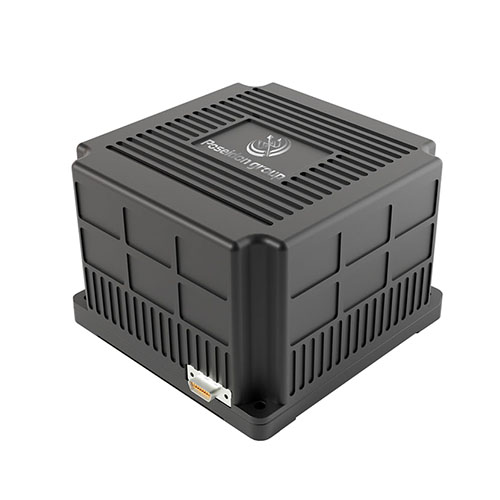 TBSD60
 BSD120
 BSD98
BSD98 BSD70
BSD70 BSD60
BSD60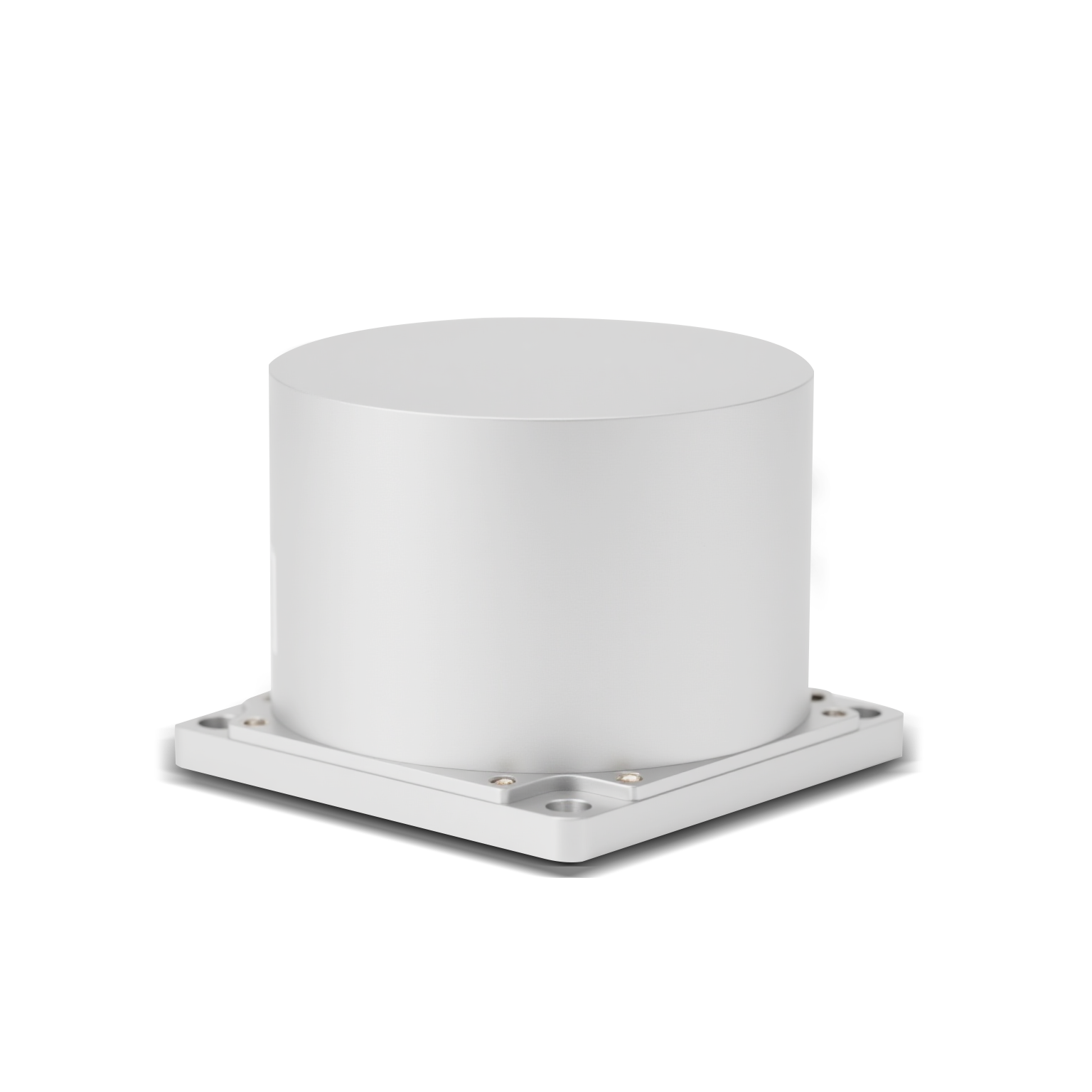 BSD50
BSD50 BSD217
 INS1700
 INS970
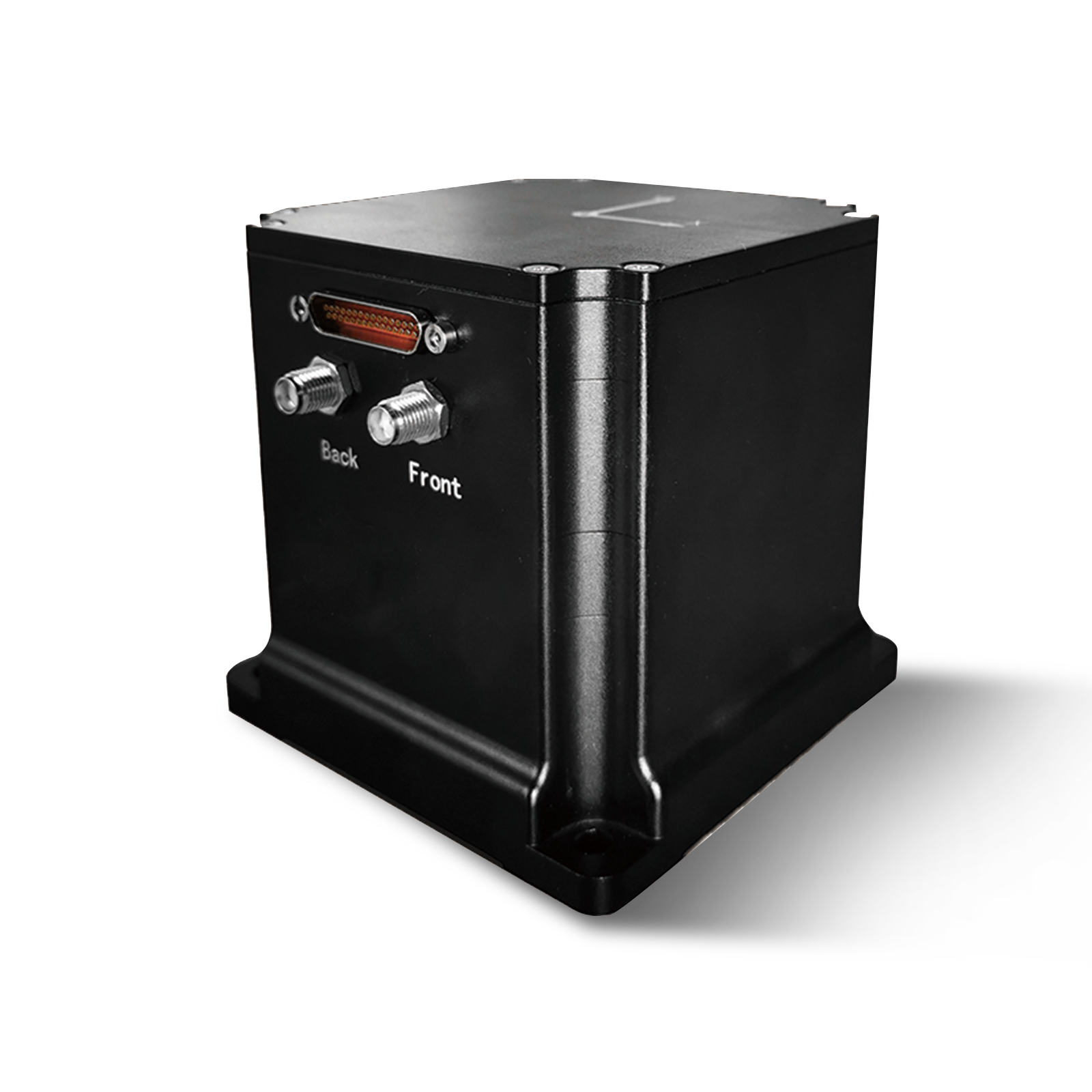 INS570
 INS170
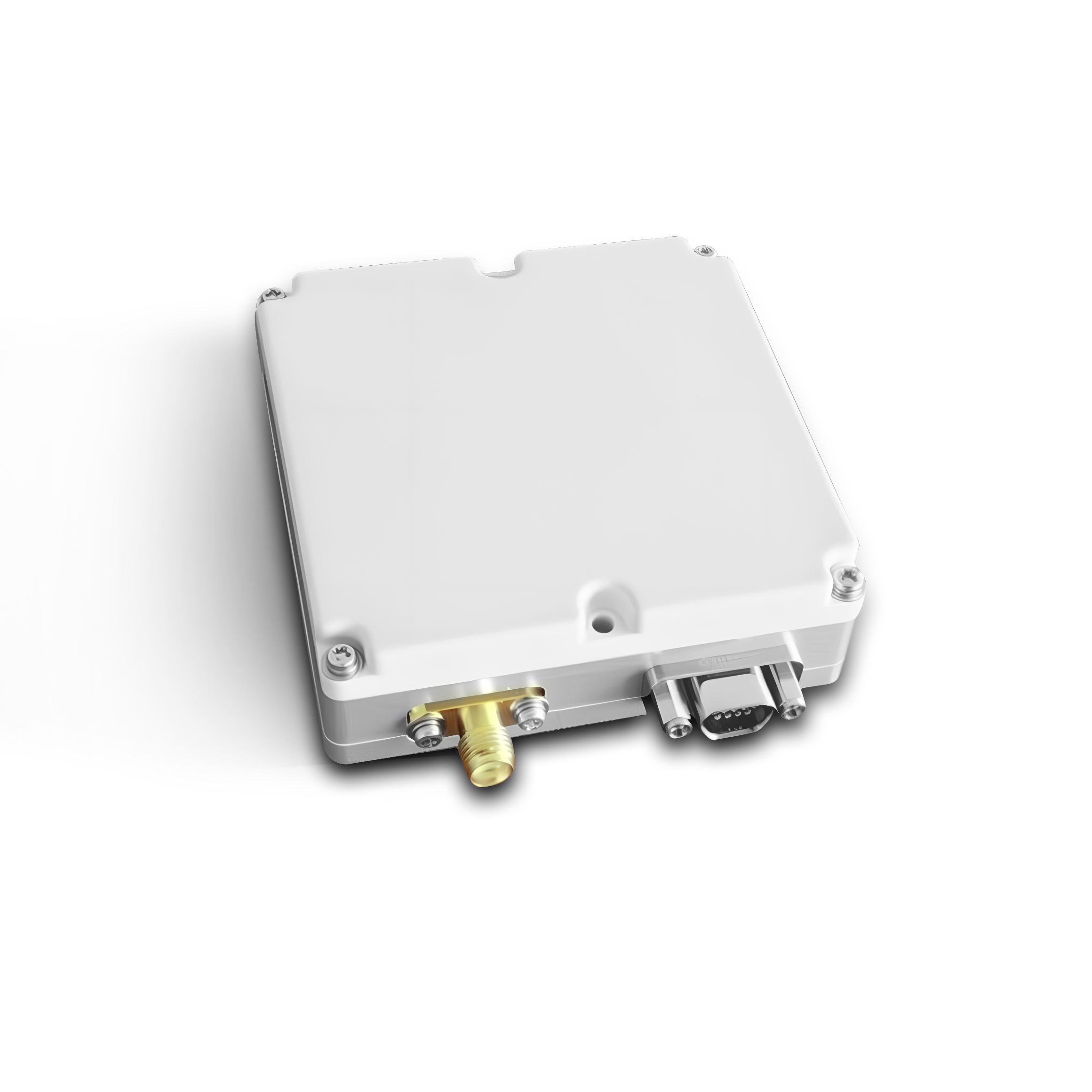 SLA-4B1L1-65
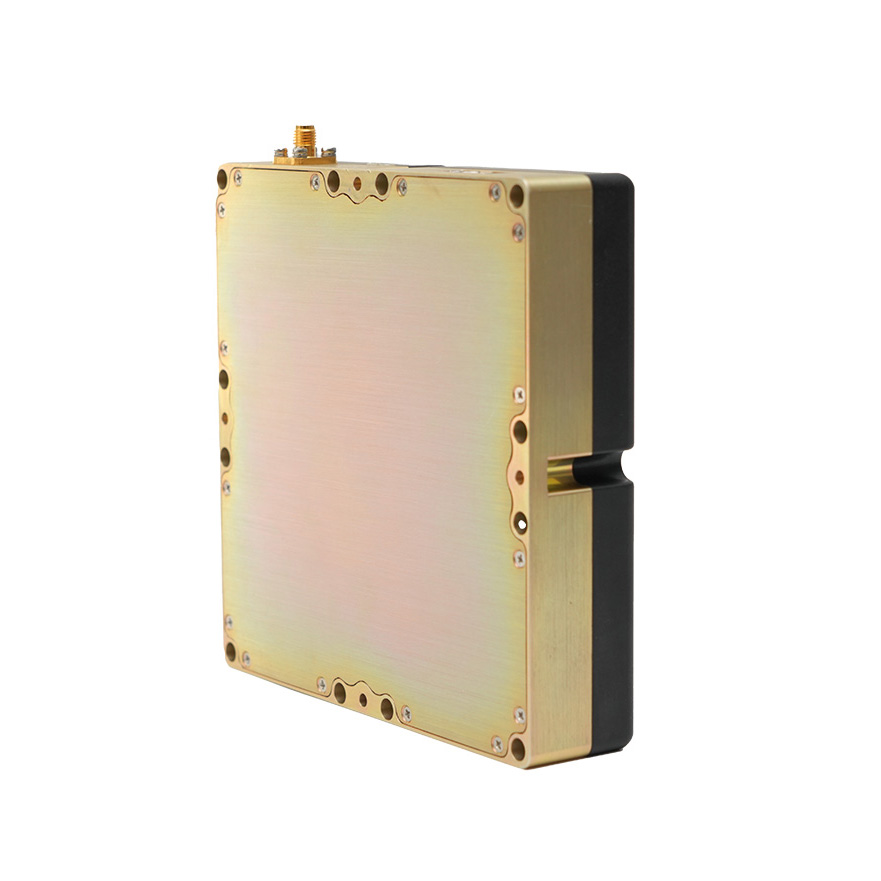 SLA-4B1L1-130
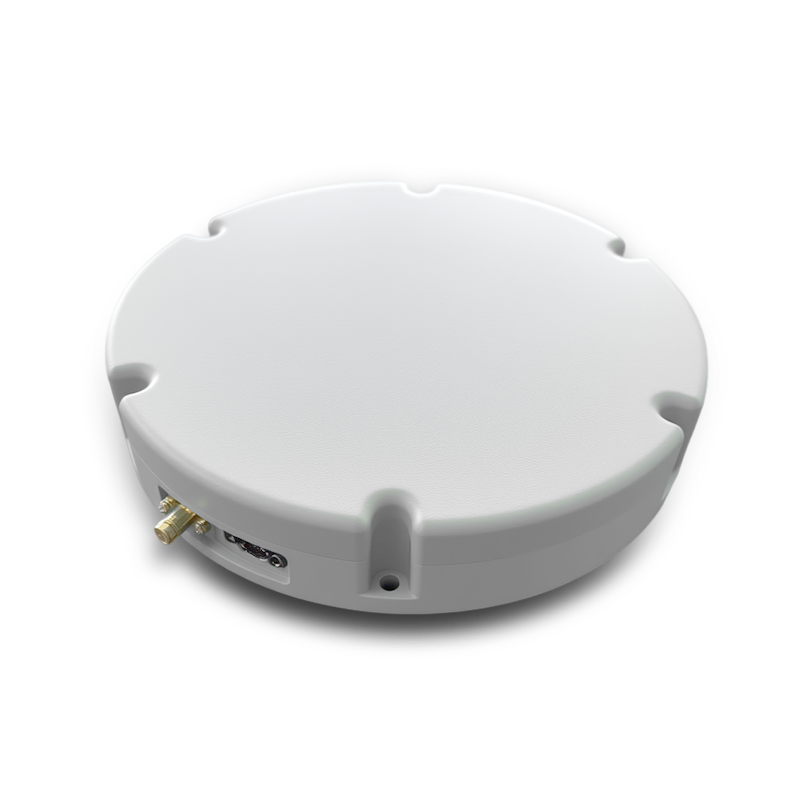 SLA-8B1L1-165
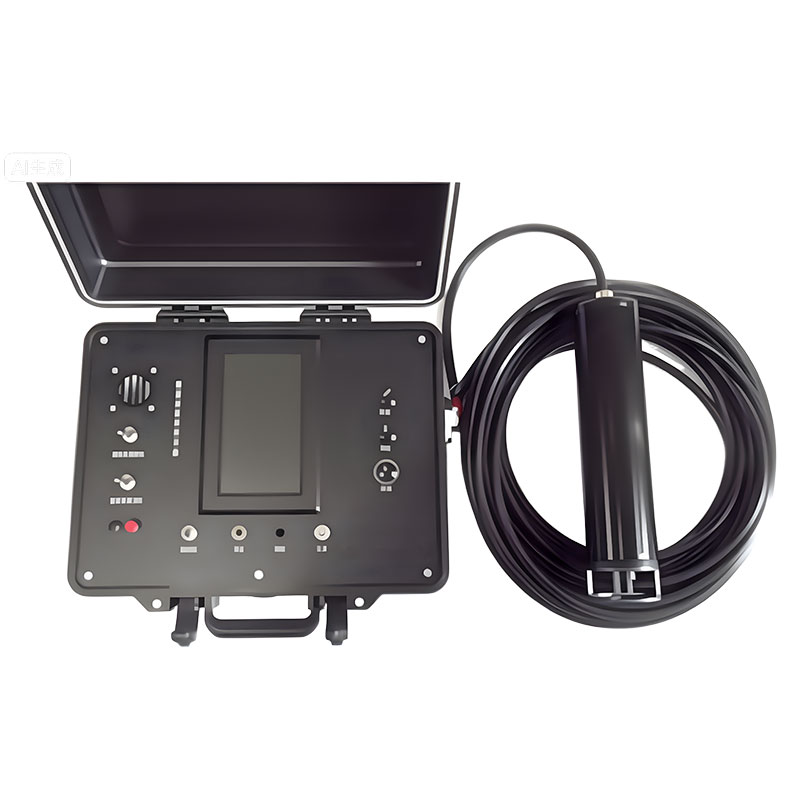 101 Vessel-mounted Positioning
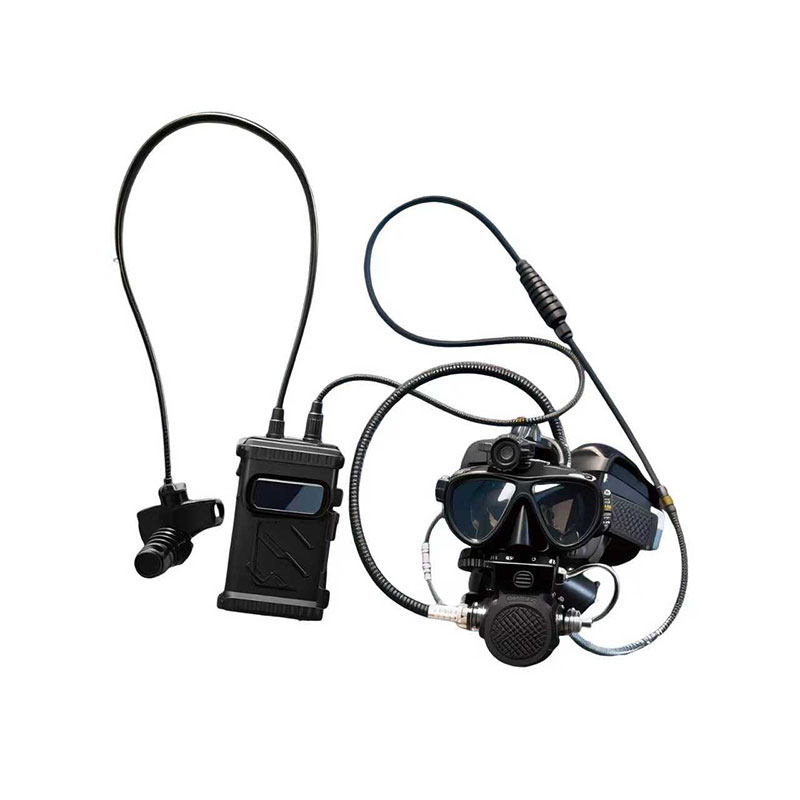 102 Acoustic Communication
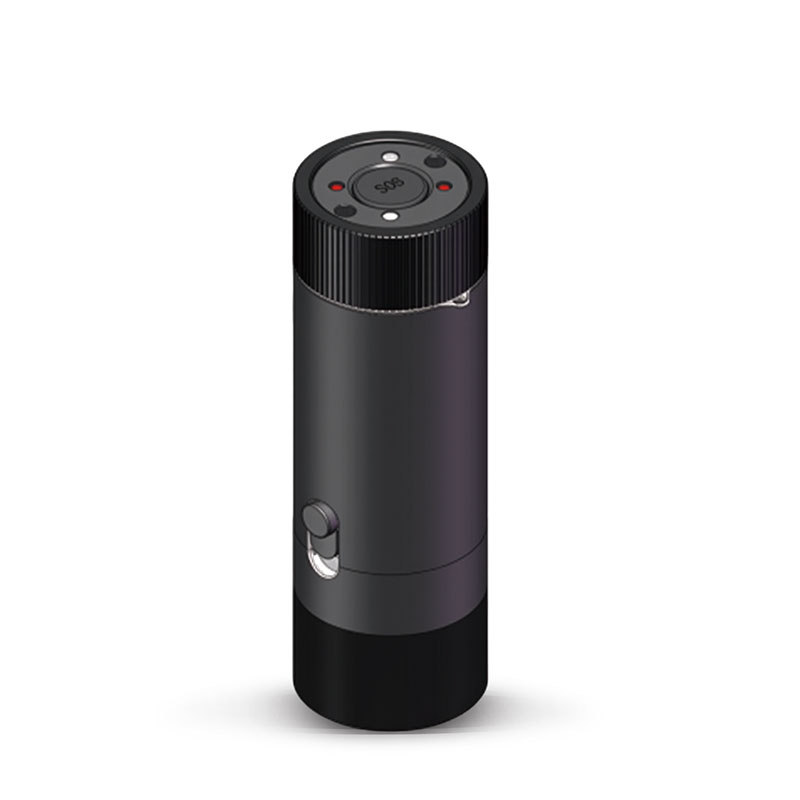 103 Tracking and Locating
 104 Diver Navigation System
 105 Intrusion Detection Sonar
 106 Delivery Locator Beacon
 SLLR3000
 SLLR905
 SLLD25
 160M
160M 170M
170M SLFC-70
 SLAF280
 MR360
MR360