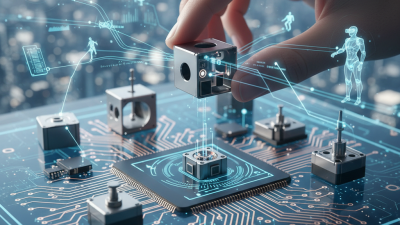
In today’s fast-changing tech world, Inertial Sensor Systems really are at the heart of so much we do with gadgets and vehicles. I spoke with Dr. John Smith from InnoTech Sensors, and he pointed out, “Inertial Sensor Systems are basically the backbone of modern navigation.” Honestly, these systems are pretty crucial—not just for smartphones anymore, but also for self-driving cars and other fancy tech.
As our devices demand even better accuracy and try to sip less power, the importance of these sensors only grows. They help us figure out motion and orientation every day, which affects how we interact with our technology. The tricky part? Improving their accuracy without making them bigger, more expensive, or power-hungry—that’s a constant balancing act.
A lot of folks don’t really realize how complex these systems are. Each sensor has to find that sweet spot between being super sensitive and staying quiet—that means lots of calibrating. And as new industries keep popping up, the need for smarter, better Inertial Sensor Systems isn’t going anywhere. They’re a key part of modern tech, and honestly, they deserve a bit more attention and exploration.
The Definition of Inertial Sensor Systems
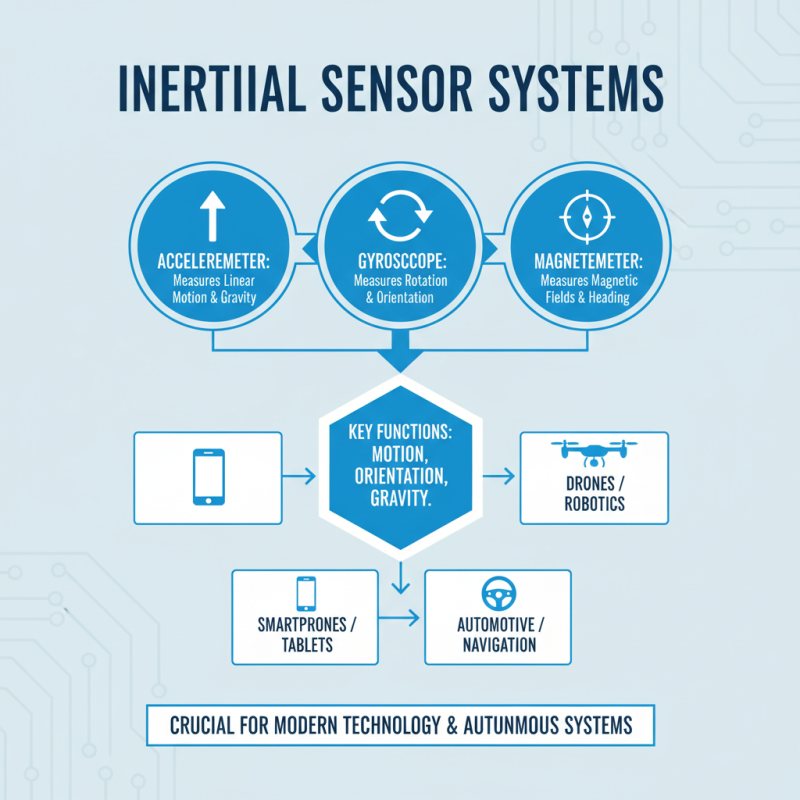
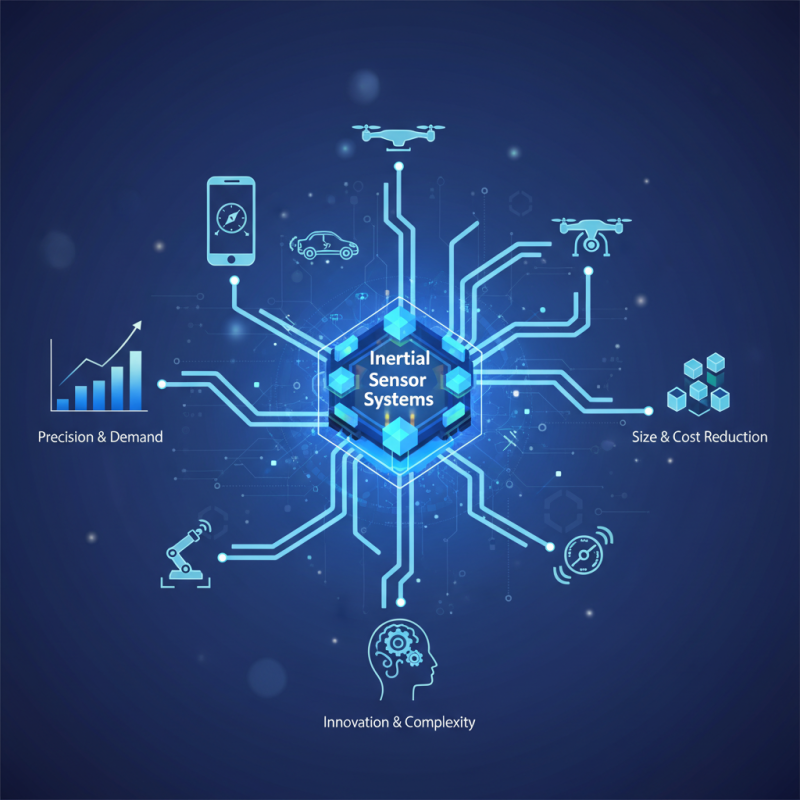
Inertial sensor systems play a crucial role in modern technology. They measure motion, orientation, and gravitational forces. These sensors include accelerometers, gyroscopes, and magnetometers. Together, they provide valuable data for various applications. From smartphones to drones, their impact is significant.
An inertial sensor detects changes in velocity and direction. It assists in navigation and stability control. For instance, in autonomous vehicles, these sensors are essential for safe operation. They help the vehicle understand its position in real time. But there are challenges. Sensor drift and environmental factors can affect accuracy. This makes continuous calibration vital.
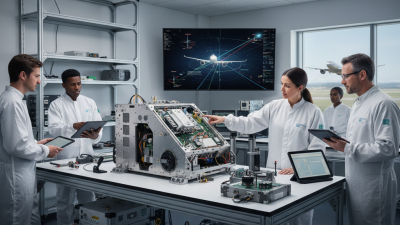
Many devices rely on these systems. Wearable technology uses them to track fitness activities. Aerospace relies on them for flight control systems. However, the complexity of integrating these sensors poses difficulties. Designers often face trade-offs between size, weight, and performance. Understanding these sensors can lead to better innovations while acknowledging their limitations.
Key Components of Inertial Sensor Technology
Inertial sensor systems play a crucial role in modern technology, enabling various applications from smartphones to autonomous vehicles. At the heart of these systems lie key components: accelerometers, gyroscopes, and magnetometers. Each component has a unique function.
Accelerometers measure linear acceleration. They help devices understand movement and orientation.
Gyroscopes detect rotation and angular velocity. This ability is essential for navigation and stability. Magnetometers sense magnetic fields, assisting in orientation relative to the Earth’s magnetic poles. These components work together to provide precise data for user applications.
Tips: When choosing inertial sensors, consider the application. A high sensitivity might be needed for drones, while simpler sensors suit fitness trackers. Often, integration with other technologies enhances performance. However, maintaining accuracy over time can be challenging. Environmental factors like temperature can affect readings.
User experience heavily relies on these components. Not all applications require the same level of precision. For instance, gaming applications might prioritize responsiveness over measurement accuracy. Balancing cost and functionality is crucial. Each sensor has strengths and weaknesses that must align with user needs. Adjusting expectations can lead to better outcomes.
Applications of Inertial Sensors in Various Industries
Inertial sensors play a vital role in many modern technologies. These devices measure specific forces and angular rates, enabling precise motion tracking. In the automotive industry, for instance, inertial sensors help with vehicle stability control. They detect changes in motion and assist in making real-time adjustments. However, sometimes their accuracy can be influenced by environmental factors, leading to unexpected results.
In aerospace, inertial sensors are crucial for navigation and guidance. Pilots rely on them for stable flight paths. When malfunctioning, they can mislead pilots, potentially causing dangerous situations. In the mobile technology sector, smartphones and wearables use these sensors to enhance user experience. They detect orientations and movements, enabling features like screen rotation and fitness tracking. Yet, users occasionally notice inconsistencies, like lag or misalignment, prompting frustration.
The medical field also benefits from inertial sensors. They are used in rehabilitation devices, helping patients regain mobility. However, there can be challenges in integration. Devices may not always interpret sensor data correctly, leading to less effective treatments. The potential for improvement is vast, and further research could enhance reliability significantly.
Why Inertial Sensor Systems Are Essential for Modern Technology - Applications of Inertial Sensors in Various Industries
| Industry |
Application |
Sensor Type |
Key Benefits |
| Automotive |
Stability Control |
Gyroscope, Accelerometer |
Enhanced safety, Improved handling |
| Aerospace |
Navigation Systems |
Inertial Measurement Unit (IMU) |
Autonomous navigation, High accuracy |
| Healthcare |
Wearable Fitness Devices |
Accelerometer |
Real-time monitoring, Activity tracking |
| Consumer Electronics |
Smartphones |
3-Axis Accelerometer |
Screen orientation, Gesture recognition |
| Robotics |
Motion Tracking |
Gyroscope, IMU |
Precision control, Enhanced stability |
| Military |
Guidance Systems |
IMU |
High reliability, Tactical advantages |
The Importance of Accuracy and Precision in Inertial Systems
Inertial sensor systems play a pivotal role in modern technology. Accuracy and precision are critical for the performance of these systems. Data indicates that the global inertial sensors market is expected to reach $14.7 billion by 2028. This growth is driven by increasing demand across various sectors, including aerospace, automotive, and consumer electronics. The requirement for high accuracy in navigation and motion tracking is leading innovations in sensor technologies.
However, achieving optimal precision is a challenge. Many inertial sensors have inherent biases that can affect their readings over time. A report from a leading industry analyst noted that up to 15% of users experience drift errors in long-duration applications. This can produce significant inaccuracies in positioning systems, particularly in autonomous vehicles. Additionally, environmental factors such as temperature and vibration can also hinder performance.
Despite advancements, the quest for perfect accuracy is ongoing. Many applications still require calibration to maintain precision. For instance, drone operations often need frequent adjustments to avoid miscalculations in flight paths. Companies must invest in rigorous testing and quality controls to minimize these issues. The future hinges on improving these systems, addressing these imperfections, and enhancing user trust in inertial technologies.
Future Trends and Innovations in Inertial Sensor Technology
Inertial sensor technology is rapidly evolving. These sensors play a crucial role in various fields, from aerospace to healthcare. They track motion, orientation, and acceleration. Innovations are making them smaller and more efficient. For instance, MEMS (Micro-Electro-Mechanical Systems) technology is enabling the production of tiny sensors. This shift allows for integration into everyday devices.
Smartwatches and fitness trackers are prime examples.
The future trends suggest enhanced accuracy and lower power consumption. Researchers are exploring AI integration for better data interpretation. However, challenges remain. Cost and complexity may hinder wider adoption. Additionally, the need for improved robustness against environmental factors is critical.
These issues can slow down innovation. Addressing these challenges is essential for the technology’s growth and effectiveness. As these sensors become integral to smart technologies, their potential impact on daily life is immense.
Challenges Facing Inertial Sensor Development and Deployment
Inertial sensor systems are pivotal in today’s technology landscape. However, their development faces significant challenges. One major hurdle is miniaturization. Shrinking sensor sizes while maintaining accuracy is complex. This affects integration in smartphones and wearables. Many developers still struggle with balancing performance and size.
Another challenge is calibration. Inertial sensors need precise calibration for accurate readings. Environmental factors can introduce noise, leading to errors. Engineers often grapple with these variances in real-world conditions. Finding consistent calibration methods is a daunting task.
Finally, cost remains a barrier. High manufacturing costs can limit the deployment of advanced inertial sensors. This issue slows down innovation in emerging markets. Without affordable options, many potential applications remain unrealized. While progress is evident, these obstacles require persistent attention and inventive solutions.
The Role of Inertial Sensors in Autonomous Systems and Robotics
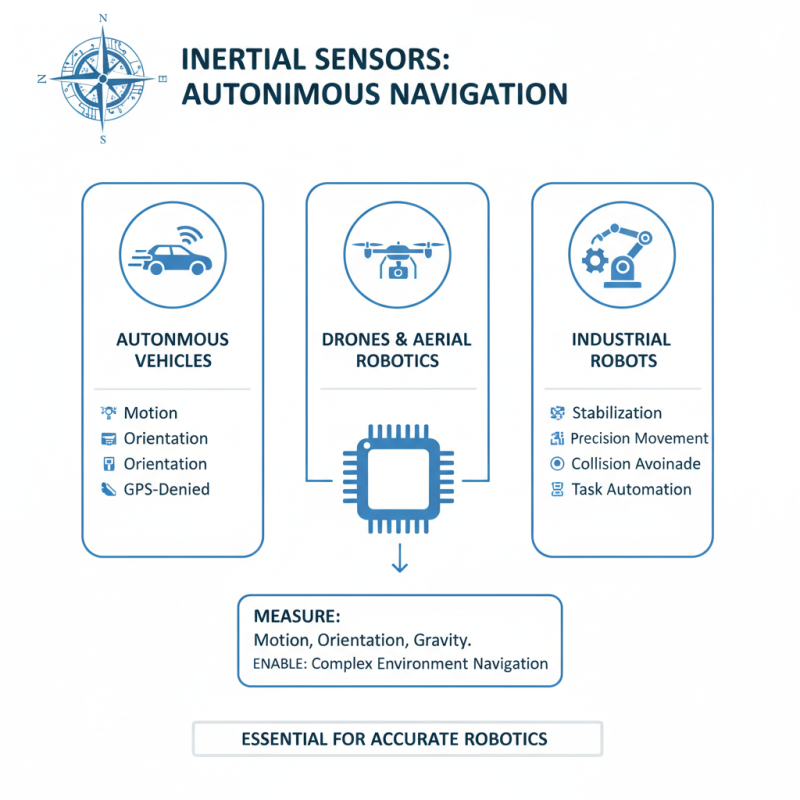
Inertial sensors play a pivotal role in modern autonomous systems and robotics. These devices measure motion, orientation, and gravitational forces. They enable robots to navigate complex environments. Without them, achieving precision in movement would be nearly impossible. Autonomous vehicles, drones, and industrial robots heavily depend on these sensors to process data efficiently.
Tips: When integrating inertial sensors, consider their calibration. Proper calibration maximizes accuracy and minimizes errors. Regular checks are also essential to ensure system performance.
The challenges include sensitivity to temperature and mechanical vibrations. These factors can impact data reliability. Developers must address these limitations during the design phase. Poor sensor integration can compromise the entire system's functionality. Evaluating sensor performance in real-world conditions is crucial. Adjustments based on feedback will lead to enhanced reliability.
Tips: Test sensors in various environments. This helps understand their limits and capabilities. Effective testing informs better design choices and improves overall system performance.
Exploring the DIVER 102 Underwater Acoustic Communication System: Features, Applications, and Benefits
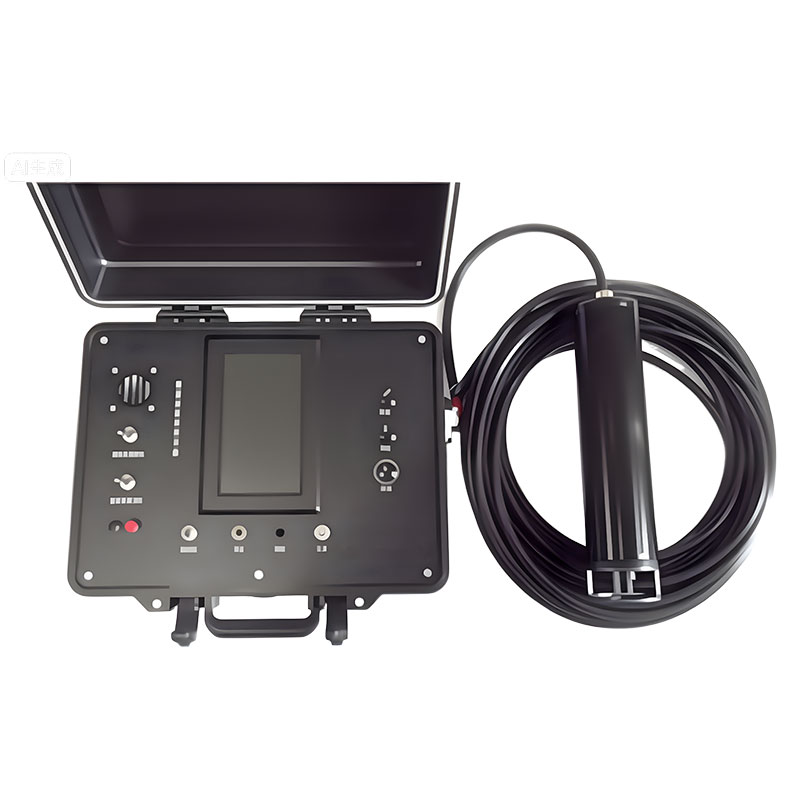
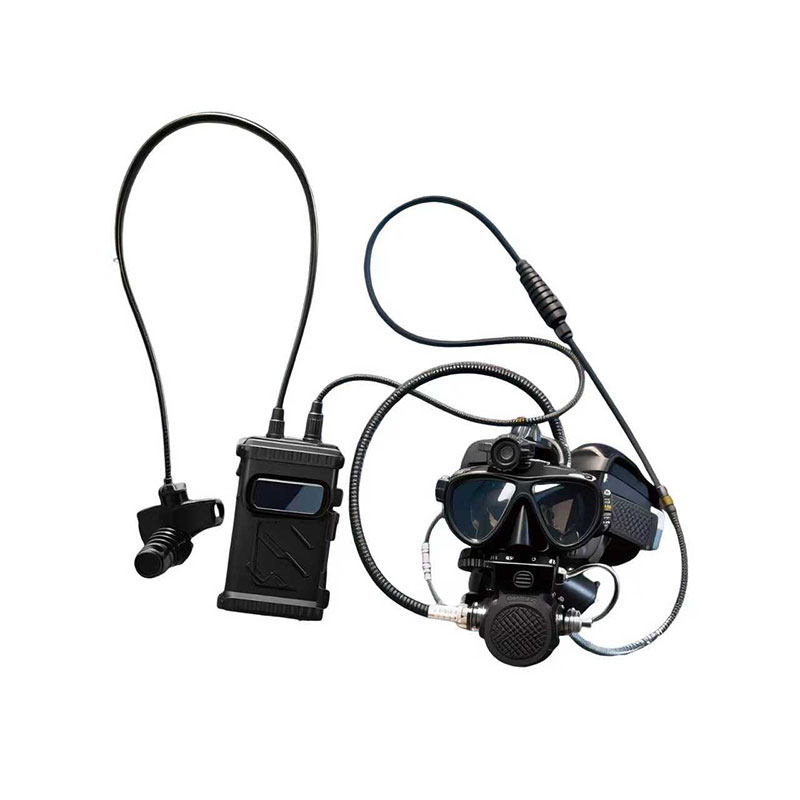
The DIVER 102 Underwater Acoustic Communication System represents a significant advancement in underwater communication technology. Designed to break through the traditional acoustic barriers, this system enables clear and stable two-way voice and data communication between diver teams and surface command centers. This capability is essential for executing complex underwater missions where clear communication can be the difference between success and failure.
With its robust features, the DIVER 102 enhances safety and coordination in underwater operations. Divers can relay critical information and receive real-time guidance from surface teams, ensuring that every operation is carried out efficiently and safely. Its reliable performance under various underwater conditions makes it a vital tool for a range of applications, from scientific research to search and rescue missions, allowing for seamless collaboration between personnel working below and above the waterline.
The benefits of the DIVER 102 are profound, particularly in enhancing operational safety. By facilitating effective communication, the system minimizes the risks associated with underwater tasks, enabling teams to respond swiftly to unforeseen circumstances and adjust their strategies accordingly. As the demand for efficient underwater operations increases, the DIVER 102 stands out as a transformative solution that meets the evolving needs of professional diving teams.
FAQS
: Set clear goals daily. Break tasks into small steps. Focus on one task at a time.
Practice mindfulness techniques. Regular exercise can help. Take breaks to recharge your mind.
Establish boundaries between work and personal time. Schedule leisure activities. Ensure time for family and friends.
Identify the reasons for your lack of motivation. Change your environment. Reward yourself for small achievements.
Networking opens new opportunities. It connects you with potential mentors and collaborators. Sometimes connections lead to unexpected benefits.
Yes, it can lead to feelings of isolation. Regular check-ins with colleagues can help. Establish a routine to stay engaged.
Conclusion
Inertial Sensor Systems are pivotal in the realm of modern technology, offering precise measurements of motion and orientation. These systems consist of key components such as accelerometers, gyroscopes, and magnetometers, which work together to provide accurate data critical for various applications across industries, including aerospace, automotive, and consumer electronics. The importance of accuracy and precision in these systems cannot be overstated, as they play a crucial role in ensuring the reliability and functionality of numerous technologies.
Looking ahead, future trends in Inertial Sensor System technology are poised to drive innovations in autonomous systems and robotics, enabling more sophisticated navigation and control. However, the development and deployment of these systems face challenges, including miniaturization, cost-effectiveness, and integration with other technologies. Overcoming these challenges will further enhance the capabilities and applications of Inertial Sensor Systems, solidifying their essential role in advancing modern technology.

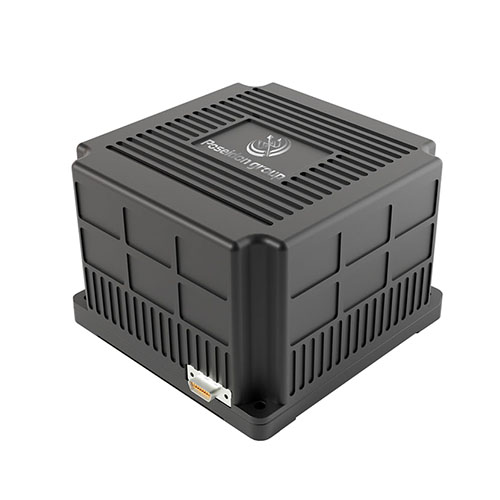 TBSD60
 BSD120
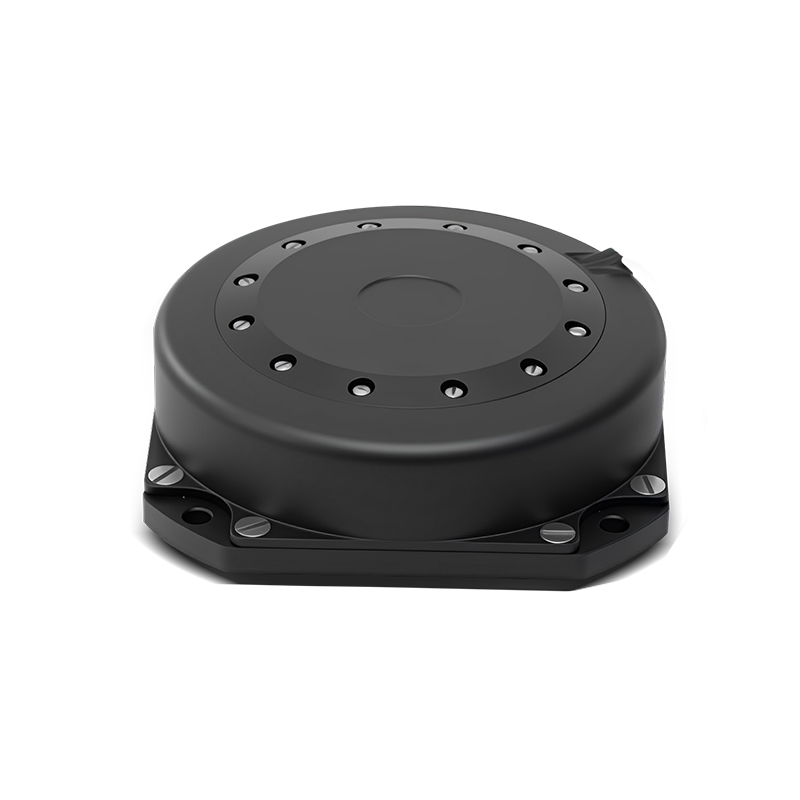 BSD98
BSD98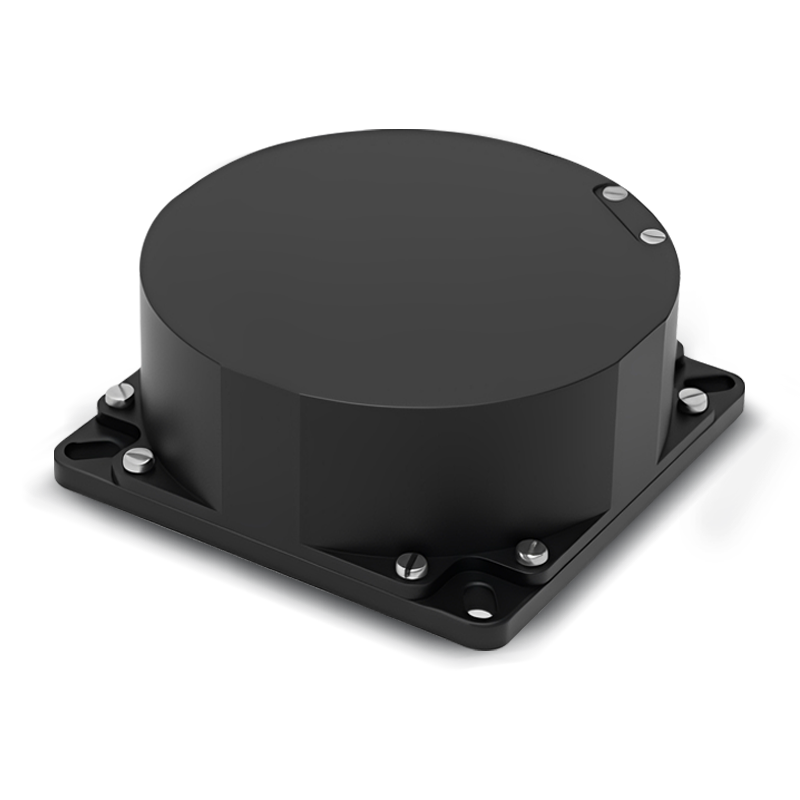 BSD70
BSD70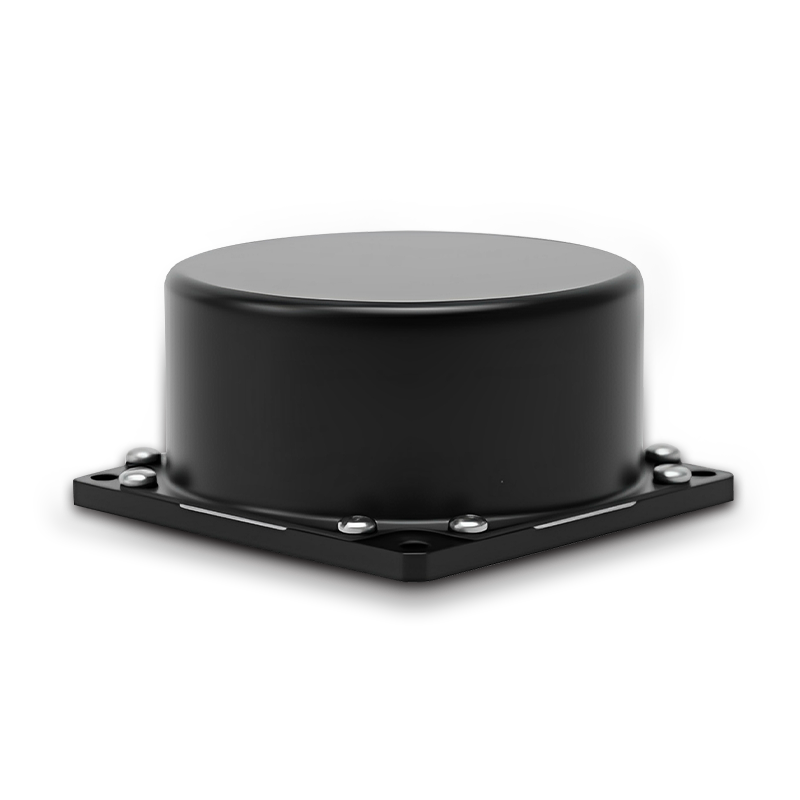 BSD60
BSD60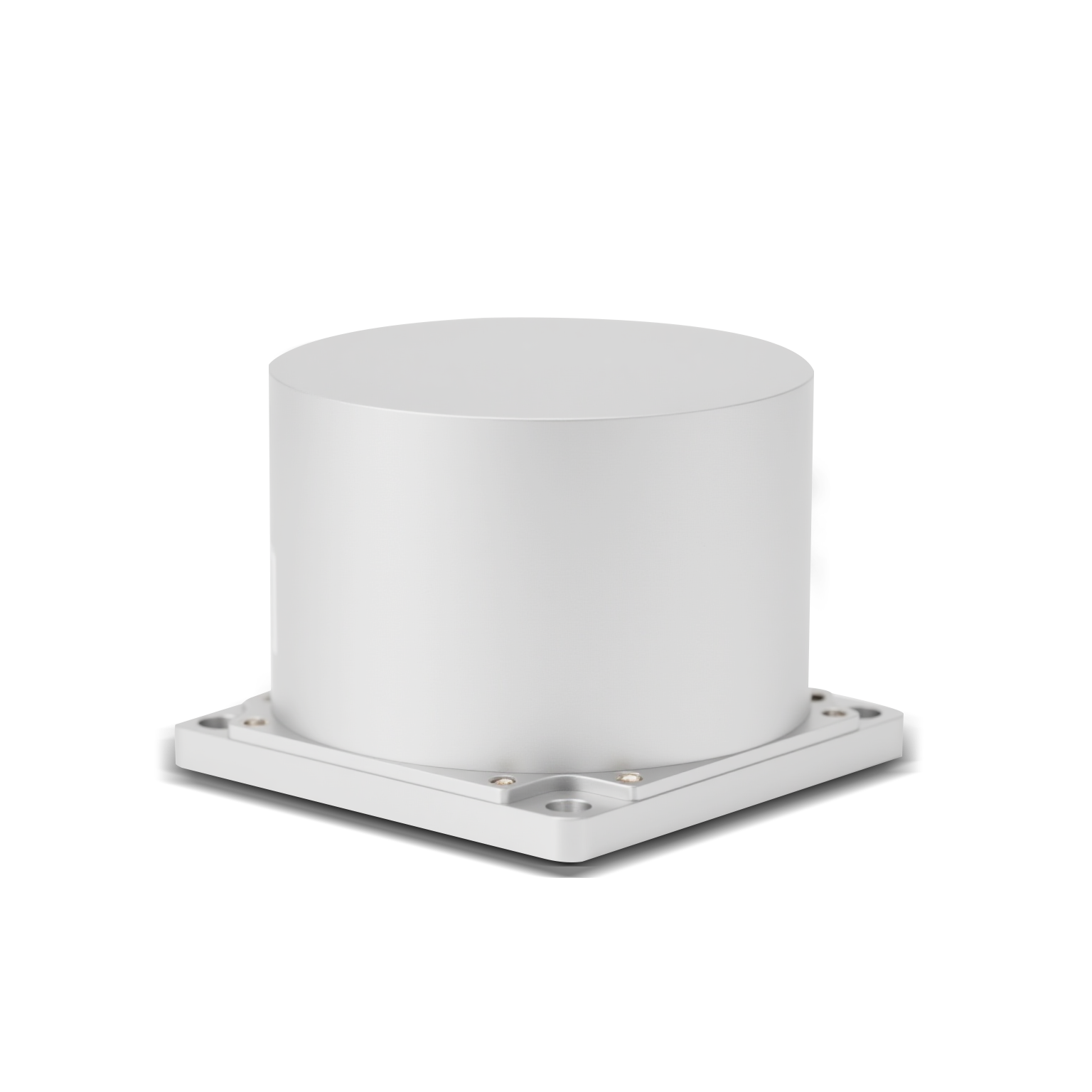 BSD50
BSD50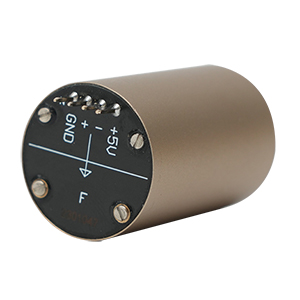 BSD217
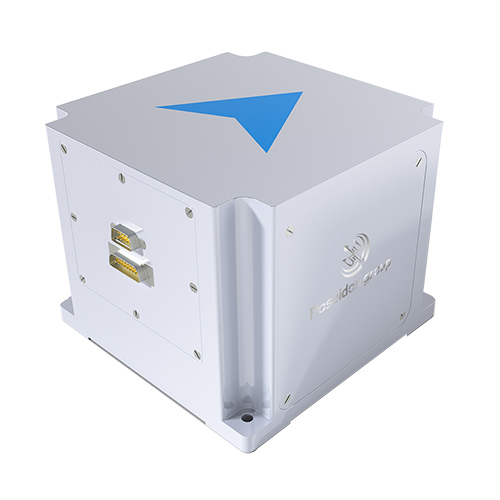 INS1700
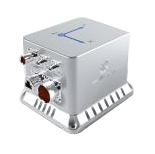 INS970
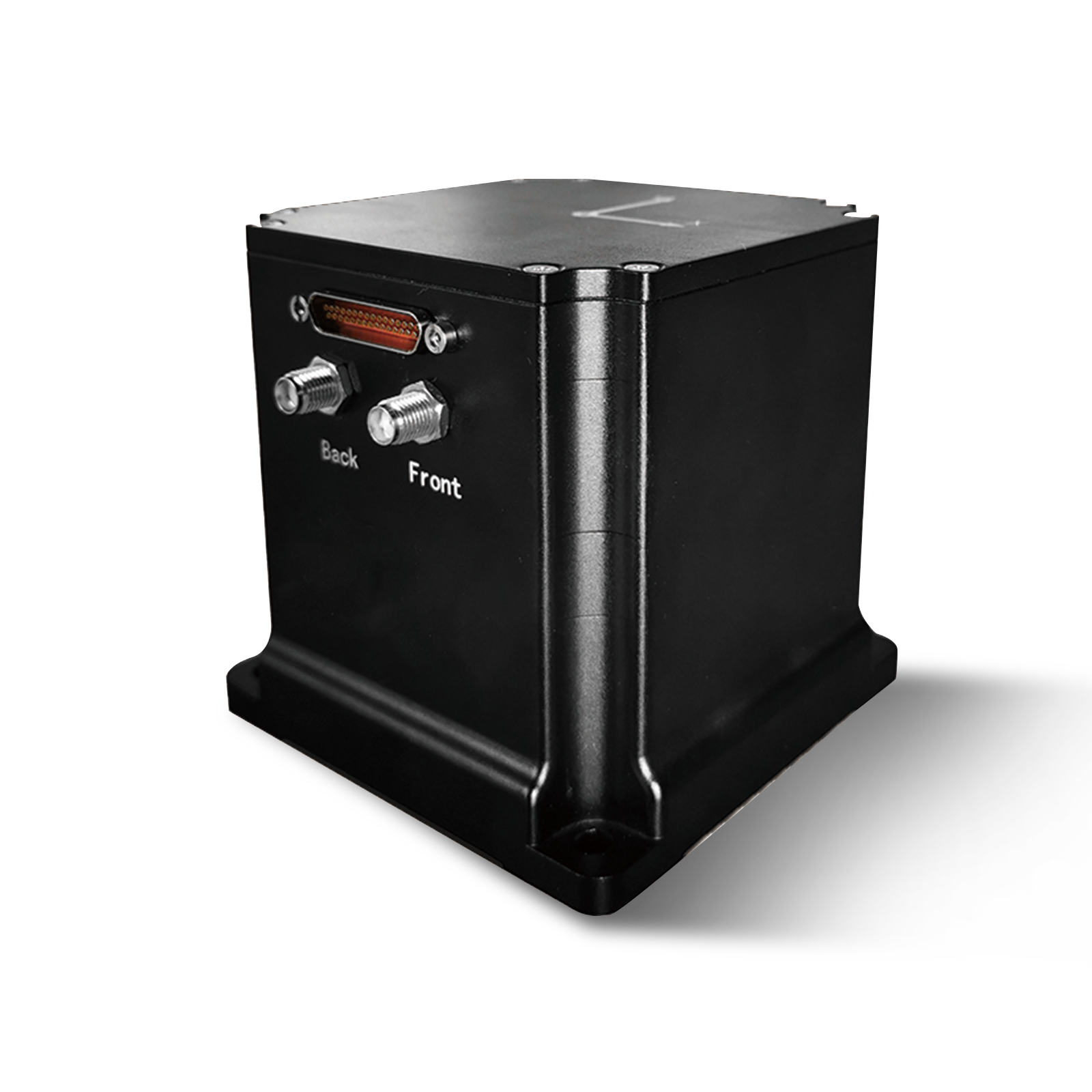 INS570
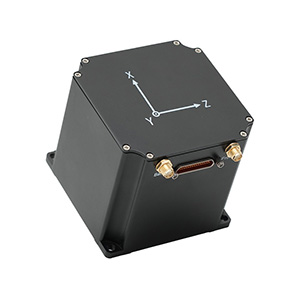 INS170
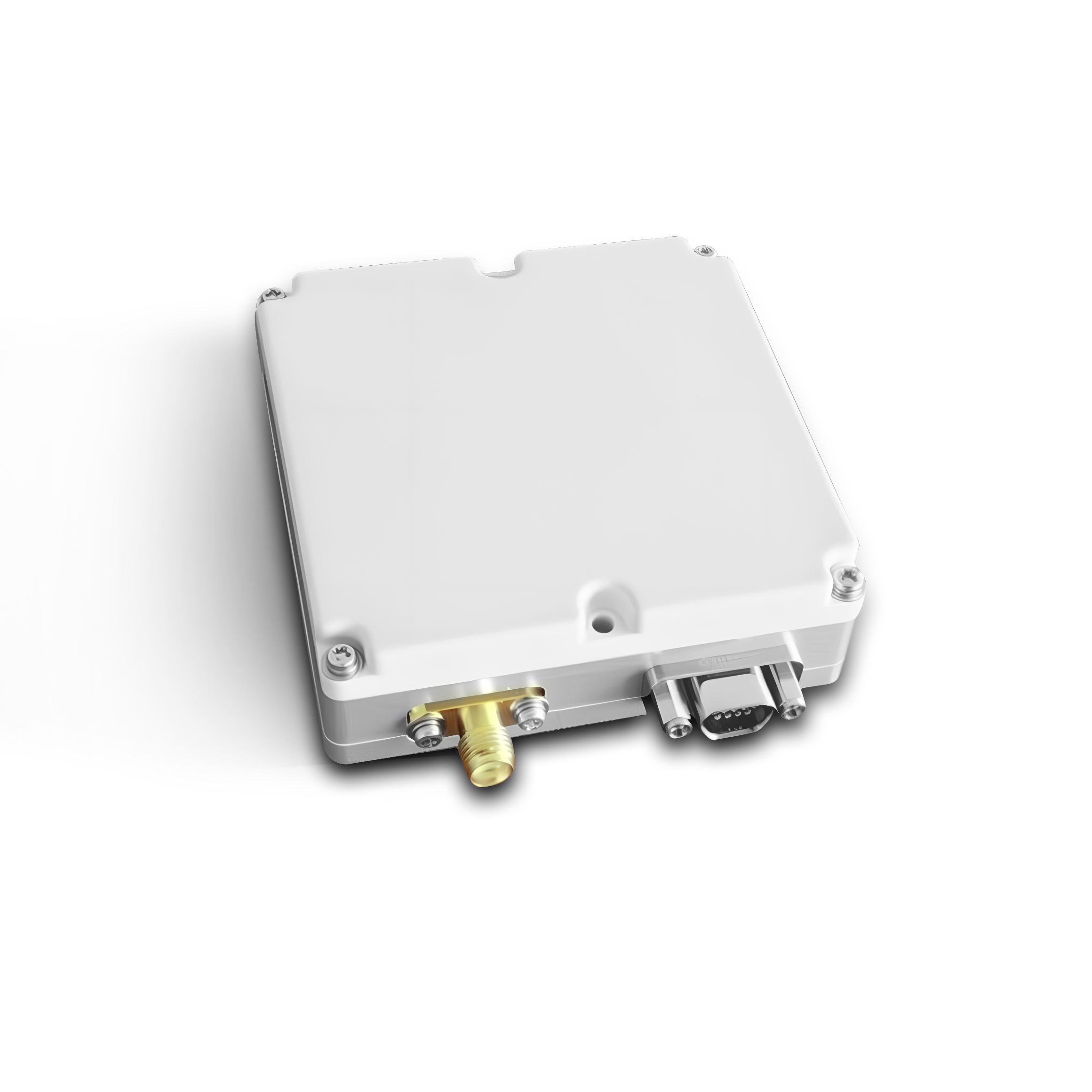 SLA-4B1L1-65
 SLA-4B1L1-130
 SLA-8B1L1-165
 DIVER 101
 DIVER 102
 DIVER 103
 DIVER 104
 DIVER 105
 DIVER 106
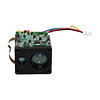 SLLR3000
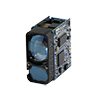 SLLR905
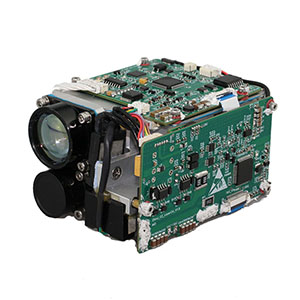 SLLD25
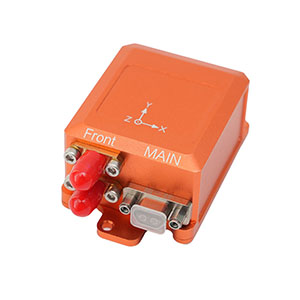 160M
160M 170M
170M SLFC-70
 SLAF280
 MR360
MR360